
Australia’s AUKUS Dilemma: Union Boss Tears Into US-Iran Strikes Support—Here’s What You Need to Know

Australia’s recent backing of U.S. airstrikes on Iran has ignited a fierce debate—led by veteran Labor heavyweight Doug Cameron, who’s branding the government’s position “inconceivable.” Critics argue that without AUKUS, Australia never would have signed up for this. Meanwhile, local communities in South Australia and Tasmania are preparing for high tides and damaging winds. Here’s a clear, human take on why Australia is at a crossroads—both politically and environmentally.
The Shockwaves from Canberra: What Was Said and Why It Matters
Doug Cameron Unleashed
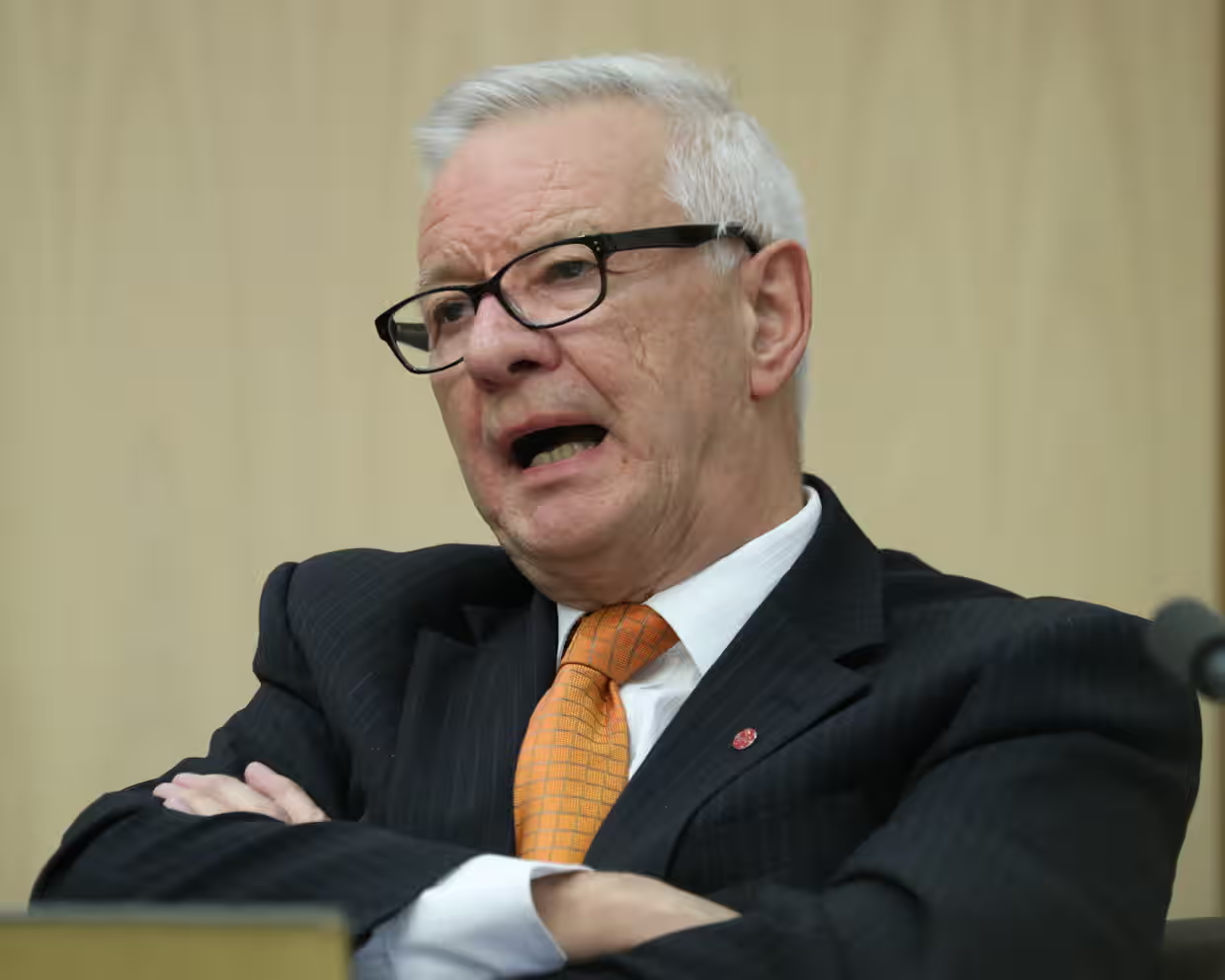
Doug Cameron, a former senator and outspoken union leader, didn’t hold back. He slammed the Albanese government, calling support for the U.S. strikes “inconceivable” unless you consider the influence of the AUKUS pact. In his view, Australia has become too deep into a global military alliance that makes it hard to chart its own course.
What the Government Says
Prime Minister Anthony Albanese, while supporting the strikes, emphasized Canberra’s concern over any further escalation in the Middle East. He walked a tightrope: showing solidarity with the U.S., but also hinting at hesitation. This suggests he understands both the ally pressure and public unease.
AUKUS at the Epicenter: Defense Partnership Under Scrutiny
The Power Play of AUKUS
AUKUS, the trilateral agreement between Australia, the UK, and the US, was introduced in 2021, promising advanced nuclear-powered submarines and deeper military alignment. Supporters say it boosts Australia’s defense capabilities. But critics like Cameron suggest the pact also comes with strings—making Australia a moral and strategic partner in U.S. operations.
Are We Losing Autonomy?
Cameron’s main argument: Australia is giving up too much independence. He’s concerned that Canberra is losing its ability to make defense and foreign policy decisions based solely on national interest. The core of the criticism is: should alliance loyalty outweigh independent judgment?
The Political Heartburn: Support, Skepticism, and Strategic Limits
Loyal But Concerned
The government’s stance is clear: Australia stands with its allies in defense actions. Officials argue this strengthens national security, showcasing a reliable international partner. They believe such alignment deters threats and reassures allies about Australia’s commitments.
The Backlash Builds
Opposition parties and anti-war voices are pushing back. Their message is consistent: blindly backing U.S. strikes could drag Australia into conflicts with global consequences. From a domestic standpoint, communities fear the impact on veterans and the broader societal cost of entanglement overseas.
Weather Warnings: Nature Weighs In
Coastal Flood Risk in South Australia
Adding to the tension, the Bureau of Meteorology has issued an alert for abnormally high tides in South Australia. These tides could cause coastal flooding in low-lying neighborhoods, increasing stress for residents already focused on global drama. Precautions are recommended, especially near beaches and coastal towns.
Tasmania’s Wind Threat
Northern Tasmania is bracing for damaging winds expected this Tuesday. These gusts could knock down trees and affect power lines. Households are advised to secure loose items, stay weather-aware, and keep emergency supplies handy. It’s a reminder that while the world worries about politics, nature can also pack a punch close to home.
What It All Means for Australians
A Nation at a Crossroads
This debate goes beyond politics—it’s about identity. Are we a sovereign nation making independent decisions, or a loyal junior partner in global defense? The tension highlights a wider conversation around Australia’s role in international affairs and whether those roles resonate with domestic priorities.
Everyday Impacts
On one side, foreign policy choices could influence everything from trade relations to public safety. On the other, weather events hold immediate consequences—flooded properties, power disruptions, and emergency responses. Both fronts carry weight, though one is proactive foreign policy while the other is reactive local readiness.
What You Can Do
Stay Informed Abroad
Watch developments in Canberra. Follow statements from key figures like Cameron, Albanese, and defense ministers. Watch how Australia aligns itself with AUKUS partners going forward. Public opinion and media coverage could shape policy shifts or reaffirm strategic loyalties.
Prepare at Home
For those in South Australia and Tasmania: check tide times, secure property, and keep emergency supplies within reach. Stay updated through official bulletins and weather apps. Planning ahead ensures you stay safe when nature lingers close to home.
Wrapping It Up
Australia is navigating choppy waters—global politics on one side, and unpredictable weather on the other. The support of U.S. airstrikes has opened the AUKUS debate, pushing questions of sovereignty and loyalty to center stage. At the same time, communities in South Australia and Tasmania are dealing with environmental threats that require vigilance and preparation.
Whether it’s the rippling impact of global defense deals or the immediate risks of high tides and strong winds, Australians are being reminded: world events and local challenges are more connected than ever. As the nation debates its role abroad and braces for storms at home, one thing is clear—we’re facing a week where leadership and readiness go hand in hand.

