
Australia Urged to Push US for Nuclear Restraint Amid Escalating Israel-Iran Conflict

Nobel Peace Laureates Call for De-escalation and Diplomacy
As tensions escalate dangerously in the Middle East, a prominent international anti-nuclear organization has urged the Australian government to use its influence with the United States to promote restraint and prevent a potential nuclear catastrophe.
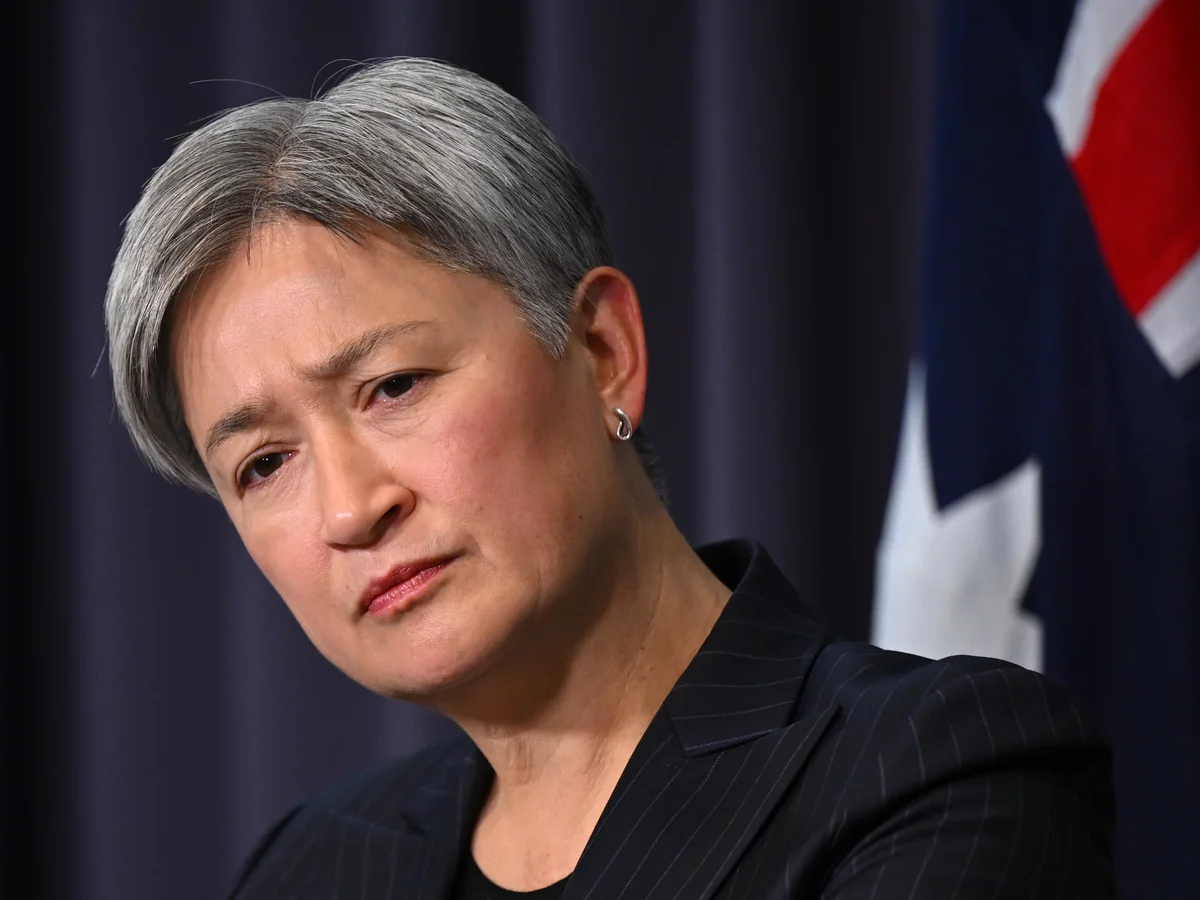
The International Campaign to Abolish Nuclear Weapons (ICAN), an Australian-born Nobel Peace Prize-winning group, issued a stark warning: with Israel and Iran on a path of deepening hostility, the threat of nuclear confrontation is no longer theoretical. ICAN is calling on Prime Minister Anthony Albanese and Foreign Minister Penny Wong to advocate for urgent de-escalation and a renewed commitment to diplomacy — particularly by pressing the US to take a leading role in calming tensions.
A Conflict Teetering on the Edge
The Rising Risk of Miscalculation
The ongoing hostilities between Israel and Iran, which have intensified in recent weeks, have already resulted in military strikes, cyberattacks, and retaliatory threats. The involvement of proxy groups, global powers, and nuclear-armed states has created a fragile and unpredictable situation — one in which misjudgments could have devastating consequences.
While neither Israel nor Iran has confirmed the possession or development of nuclear weapons in recent days, Israel is widely believed to maintain an undeclared nuclear arsenal. Iran, although a signatory to the Nuclear Non-Proliferation Treaty (NPT), has resumed aspects of its nuclear program amid the breakdown of the 2015 Iran nuclear deal.
International watchdogs and disarmament groups now fear that further escalation could lead to a regional — or even global — security crisis involving nuclear risk, directly or by misperception.
ICAN’s Message to Canberra: Use Your Leverage
Australia’s Role as a US Ally and Diplomatic Actor
ICAN has called on the Albanese government to step up its advocacy within diplomatic and security circles, particularly urging Washington to lead de-escalation efforts and reinforce international norms against the use or threat of nuclear weapons.
Australia, as a long-standing US ally and member of key strategic groupings such as AUKUS and the Quad, is seen as having both credibility and access to press these points behind closed doors. Canberra also maintains diplomatic relations with a number of Middle Eastern countries, placing it in a unique position to serve as an intermediary voice for peace.
ICAN stressed that “silence is not an option” for Australia at a time when nuclear rhetoric and regional instability are colliding with unprecedented intensity.
A Broader Crisis of Arms Control
Fallout from the Collapse of the Iran Nuclear Deal
The current instability is deeply tied to the unraveling of the Joint Comprehensive Plan of Action (JCPOA), more commonly known as the Iran nuclear deal. Since the United States withdrew from the agreement in 2018 under President Donald Trump, Iran has incrementally scaled up its uranium enrichment program, pushing it closer to weapons-grade levels.
Efforts under the Biden administration to revive the deal have faltered, leaving a dangerous diplomatic vacuum. Without clear lines of dialogue or arms control frameworks in place, regional actors have little incentive to de-escalate and every reason to pursue strategic deterrence — including, potentially, nuclear deterrence.
Australia, a supporter of the original JCPOA, has been urged to join European nations in pushing for a return to the negotiating table and a broader non-proliferation agenda.
Domestic Pressure and International Expectations
Albanese Government Faces Call for Stronger Disarmament Stance
Though Australia has historically supported nuclear non-proliferation, its current policies remain under scrutiny. The Albanese government has refused to sign the Treaty on the Prohibition of Nuclear Weapons (TPNW), despite Labor’s stated platform of support prior to taking office.
ICAN and other civil society groups argue that Australia’s credibility on disarmament is weakened by its alignment with nuclear-armed allies and its hesitance to fully embrace treaty-based frameworks.
With the Israel-Iran conflict acting as a global flashpoint, domestic and international pressure is likely to increase on the Albanese government to clarify its stance and act in alignment with its stated values on peace, diplomacy, and disarmament.
What’s at Stake: A New Nuclear Norm?
Normalizing the Threat of Nuclear Use
One of the most dangerous developments in modern geopolitics, disarmament experts warn, is the increasing normalization of nuclear threats as part of conventional conflict narratives. Whether in Russia’s threats during the Ukraine war, or now in rising tensions between Israel and Iran, invoking nuclear deterrence is becoming disturbingly common.
This growing acceptance undermines decades of global consensus that nuclear weapons are weapons of last resort — or better, never to be used at all. For Australia, a country that promotes the rules-based international order, the challenge is whether it will actively oppose this trend or continue to treat nuclear escalation as a distant concern.
The Path Forward: Diplomacy Over Deterrence
Rebuilding a Global Security Framework
Experts and peace organizations are calling for a multi-track approach: one that combines immediate diplomatic intervention to de-escalate the Israel-Iran conflict with long-term recommitment to global non-proliferation agreements and arms control.
Australia could play a constructive role by:
- Supporting UN resolutions that call for de-escalation and dialogue in the Middle East.
- Re-engaging with JCPOA stakeholders to support a new round of nuclear negotiations with Iran.
- Urging the US to clarify its nuclear posture and avoid any language or policy that could fuel further tension.
- Advocating internationally for restraint and the universal adoption of the Treaty on the Prohibition of Nuclear Weapons.
Conclusion: A Test of Australia’s Global Responsibility
The growing risk of a nuclear flashpoint in the Middle East is a test of the global community’s resolve — and of Australia’s foreign policy values.
With its longstanding alliance with the US, a strong voice in the Indo-Pacific, and a reputation for diplomatic credibility, Australia is uniquely positioned to urge restraint, promote peace, and stand against the rising normalization of nuclear threat-making.
The Albanese government faces a crucial choice: remain a quiet observer or take a principled stand for diplomacy and disarmament when it matters most.

