

Donald Trump’s hardline approach to international trade is making waves across the globe. His “America First” rhetoric, which helped him secure the presidency, is now shaping how the world economy will look moving forward. In just a few short weeks, the new U.S. administration has begun pushing through aggressive trade policies, and the global market is starting to feel the heat.
Global Markets Feel the Pressure
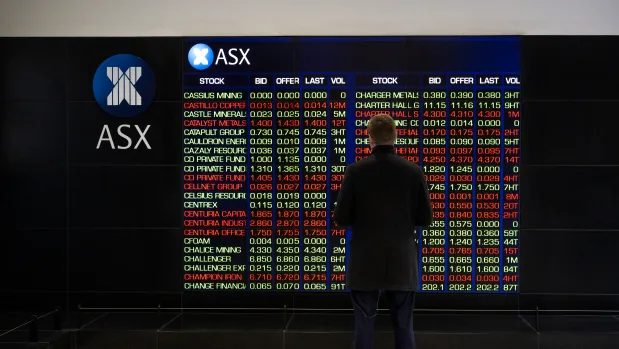
On Monday, stock markets across both Asia and Europe took a hit as Trump’s decision to impose steep tariffs on China, Canada, and Mexico rattled investors. As the tariffs were announced, the U.S. dollar surged, adding more pressure on global trade.
The tariffs are part of Trump’s ongoing push to reduce the U.S. trade deficit and prioritize American-made goods. The move is making countries around the world question how they will react. Investors are particularly worried about a possible trade war—an outcome that could drastically change the landscape of global commerce.
The New Tariffs: What’s at Stake?
So, what exactly is going on with these new tariffs?
- 25% on Imports from Canada and Mexico: Trump has imposed a 25% tariff on steel and aluminum imports from Canada and Mexico, two of the U.S.’s largest trading partners. This decision has already sparked outrage from both countries, which have promised retaliation.
- 10% on Chinese Goods: Trump also levied a 10% tariff on a wide range of Chinese goods. This has caused concern, as China is one of the U.S.’s biggest suppliers of products, from electronics to machinery.
These moves are part of Trump’s aggressive push to bring more manufacturing jobs back to the U.S. While that may sound good for American workers, the consequences for the global economy could be severe.
Europe Could Be Next
But it doesn’t stop with Canada, Mexico, and China. Trump has made it clear that the European Union is also in his crosshairs. He recently issued a warning that Europe will likely face similar tariffs unless they change their trade practices. This threatens to escalate the situation even further.
A Revival of Trade War Fears
The U.S. president’s bold actions are bringing fears of a global trade war back to the forefront. Analysts and economists have long warned that if the U.S. pushes too far, the world economy could go into a spiral. Trump’s administration is now testing the waters to see just how much pressure the global system can handle.
In the past, trade wars have led to higher prices for consumers, reduced access to markets, and even the collapse of entire industries. As more countries retaliate, it’s becoming clear that the global economy could soon face significant disruptions.
Why It Matters for You
The world’s economy is deeply connected. When the U.S. imposes tariffs on other countries, it can cause a ripple effect across all sectors—from manufacturing to agriculture. The effects can trickle down to you in many ways, whether through higher prices for imported goods or a slowdown in economic growth.
For example, if tariffs on Chinese goods raise the cost of electronics, consumers in the U.S. might end up paying more for items like smartphones and TVs. Similarly, if Mexico retaliates with tariffs on American-made products, consumers could see prices rise on everything from cars to food.
What’s Next?
Trump’s tariff policies are still in their early stages, and it’s unclear how they’ll evolve over time. Will the U.S. engage in more aggressive measures, or will there be a pushback from the international community? The truth is, we’re in uncharted territory.
As countries continue to adjust to these new trade rules, analysts will be watching closely to see if Trump’s bold moves will lead to long-term economic gains for the U.S.—or if they’ll trigger a larger trade conflict that could impact everyone.
Conclusion: A Changing Global Landscape
With trade tensions rising and markets reacting to these new tariffs, the world economy is at a crossroads. Will Trump’s “America First” policies lead to better deals for the U.S., or will they cause a domino effect that harms international relations and market stability?
Only time will tell how these policies will play out. But for now, the global community is on edge, watching closely to see how the U.S. will navigate this aggressive new trade stance.

