
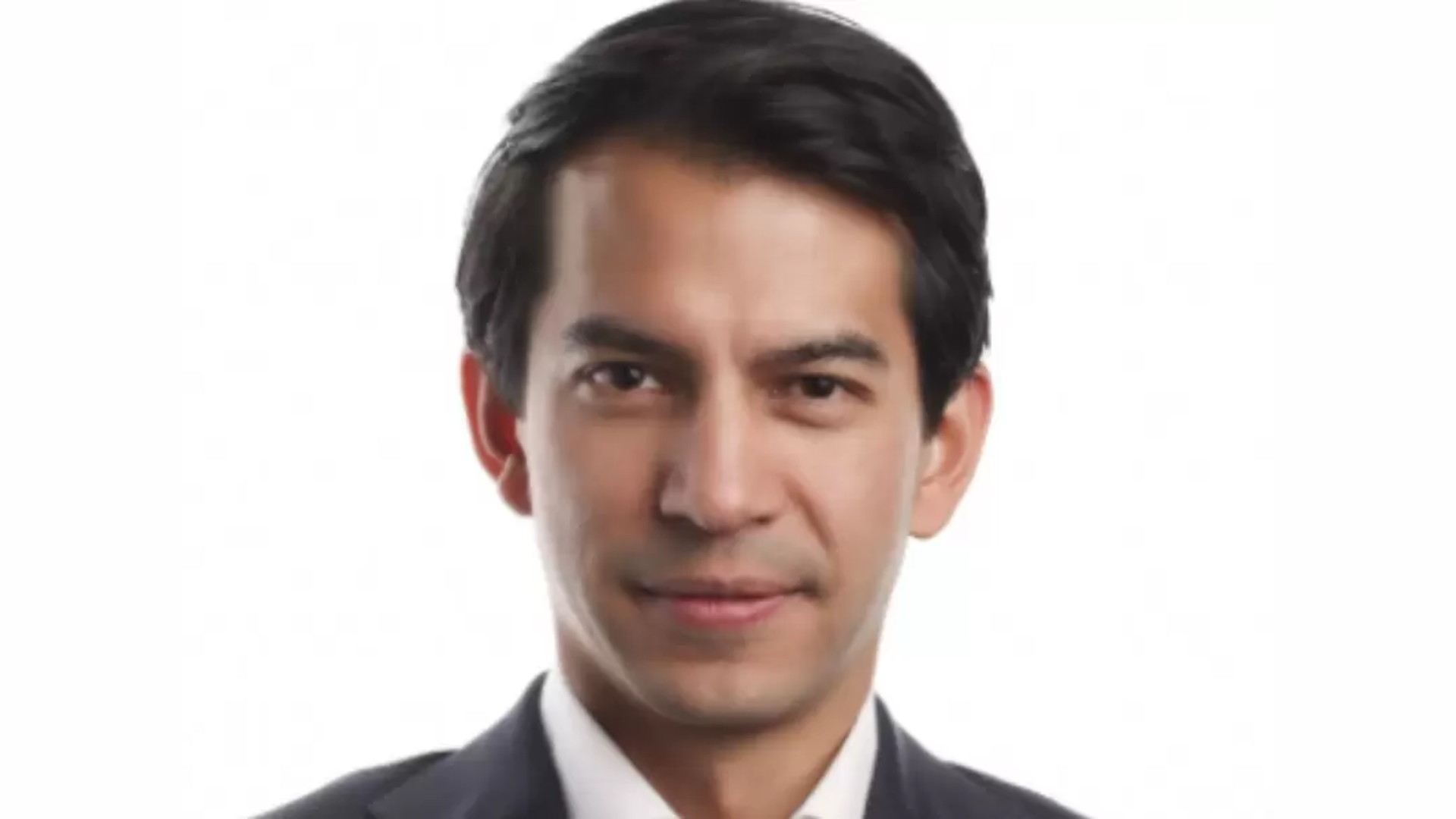
Ryan Neelam Appointed New CEO of Centre for Australia–India Relations, Set to Lead from January 2026

It further announced the appointment of experienced diplomat Ryan Neelam to the position of Chief Executive Officer, Centre for Australia–India Relations, for a term commencing in January 2026. The appointment represents an important milestone in the strengthening of the rapidly developing partnership between Australia and India at a time when the bilateral relationship has become increasingly central to the strategic, economic, and cultural priorities of both countries.
Neelam is a highly regarded foreign policy professional with extensive experience in Indo-Pacific diplomacy. He has years of international experience in international relations, public policy, and government advisory roles. Immediately prior to this appointment, he had served as the Director for South and Southeast Asian Programs at DFAT. In this regard, his appointment is considered to be a logical extension of his years of involvement in shaping Australia’s engagement with India.
The Centre for Australia–India Relations was established in 2022 to act as the institutional backbone for deepening bilateral cooperation in areas of trade facilitation, cultural exchanges, talent mobility, education partnerships, and policy coordination-all areas where unprecedented growth has been seen during the past few years. Under Neelam’s leadership, the centre is expected to pick up pace in acting as a catalyst for collaboration between government, businesses, and civil society across both countries.
After the announcement, Neelam released a statement where he showed his enthusiasm for the role. He said the “incredible momentum” now framing the Australia–India relationship involves a partnership that is already way past conventional diplomatic relations. “India is not only a critical economic partner but also a key strategic pillar for Australia in the Indo–Pacific,” said Neelam. “I am truly privileged to be leading the Centre at such a seminal moment and look forward to building initiatives which have tangible benefits for the people and businesses of both countries.”
His comments capture the wide-ranging framework of bilateral cooperation that has expanded dramatically over the past decade. India’s emergence as one of the fastest-growing major economies in the world, combined with growing geopolitical heft, has placed it at the forefront of Australia’s foreign and trade policy priorities. Stronger cooperation in education, particularly represented through student mobility and joint university programs, has become a signature element of this partnership. Sectors such as clean energy, technology, resources, agriculture, and defense continue to provide new opportunities for joint ventures and policy alignment.
Her appointment has been welcomed by officials in DFAT and the wider government, underlining his proven leadership and deep network across both Australian and Indian policy circles. His experience in handling multilateral issues, regional security dialogues, and economic diplomacy is expected to strengthen CAIR’s strategic direction. Analysts also refer to his communication skills and ability to bridge public, private, and community stakeholders-an attribute that will be crucial as the Centre expands its collaborations.
One of Neelam’s early priorities will be to further develop the Centre’s programs supporting Australian businesses seeking to enter or scale in the Indian market. Even as India’s economy is growing at a rapid clip, its market entry for many Australian companies is seen as complex. CAIR has been working to provide targeted advisory services, partnership facilitation, and cultural understanding frameworks-initiatives likely to deepen under Neelam’s leadership.
Another significant engagement is cultural diplomacy. The Indian diaspora in Australia, now over 900,000 strong, represents one of the fastest-growing and most influential communities in the country. CAIR actively supports cultural festivals, arts programs, and activities for community participation that foster people-to-people ties. Neelam has spoken about this “human bridge” earlier and is likely to use it more in her bid to strengthen mutual understanding.
Education partnerships also remain central to the bilateral agenda, and with Australian universities expanding campuses in India and collaborating on research innovation, CAIR is well-placed to facilitate such efforts. Neelam’s background in public policy and international development is likely to support more structured collaboration between education institutions in both countries. As Australia and India press through the uncertain regional geopolitics, tug of economic rebalancing, and sharper global turbulence, Neelam’s appointment signals continuity and fresh ambition. He is expected to lead the Centre to play a facilitating role in a strategic context, with an enlarged scope, ensuring that the bilateral relationship grows and brings lasting benefits. His term starting early in 2026, stakeholders in business, academia, and government will be eager to see how he shapes the next phase of this important partnership.

