
RBA Hikes Interest Rates Amid Global Energy Shock – What It Means for Australians

Cash Rate Increased
The Reserve Bank of Australia has raised the cash rate in response to a global energy shock that threatens to push inflation toward 5%.
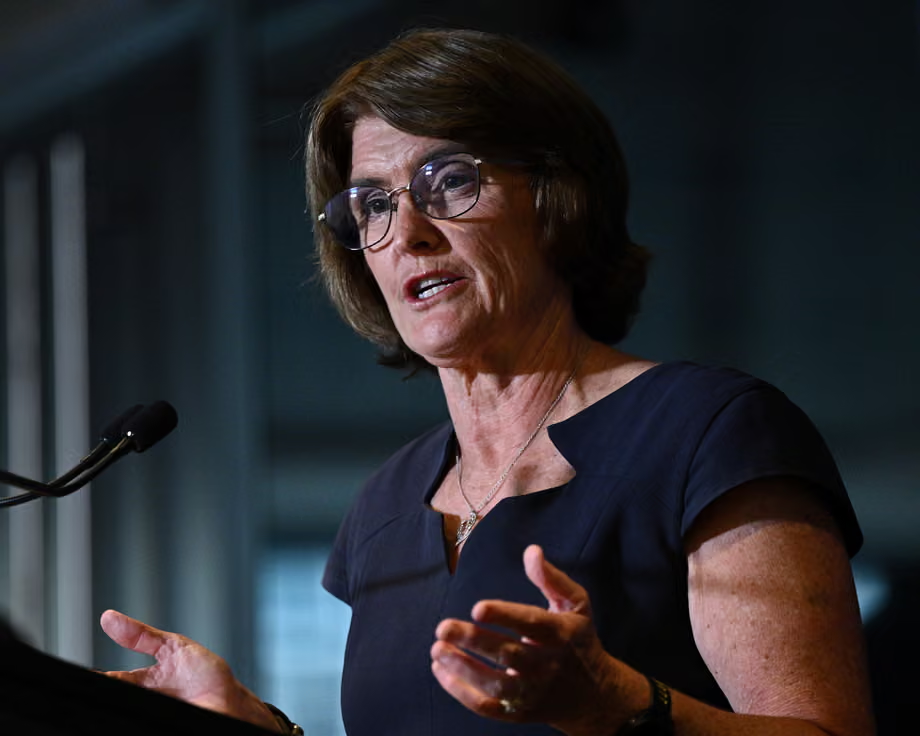
Governor Michele Bullock clarified that rising petrol prices were not the reason for the increase, signaling broader economic factors behind the decision.
Government Response
Treasurer Promises Support
Jim Chalmers acknowledged the pressure on Australian households from higher rates and the energy shock.
He indicated that additional savings and fiscal support measures will be announced in the May budget to help families cope with rising costs.
Global Context
Energy Shock Impacts
The rate hike comes amid volatile global energy markets, partly due to the ongoing conflict in Iran and supply chain disruptions.
Australia, while insulated in some areas, is facing imported inflation pressures that affect household budgets and business costs.
Defence Cooperation Update
Regional Security Talks
Meanwhile, Richard Marles and his New Zealand counterpart, Judith Collins, met to discuss regional security issues, reflecting ongoing attention to geopolitical tensions affecting trade and energy.
What This Means for Australians
- Higher borrowing costs: Home loans, credit cards, and personal loans may become more expensive.
- Inflation concerns: Essential goods and services could rise in price.
- Government relief: Measures expected in May to ease pressure on households.
Final Thoughts
The RBA’s decision to raise interest rates highlights the complex impact of global energy volatility on the Australian economy.
While petrol isn’t the direct cause, households are already feeling the pinch, making upcoming government measures in May critical for managing the cost-of-living pressures.

