
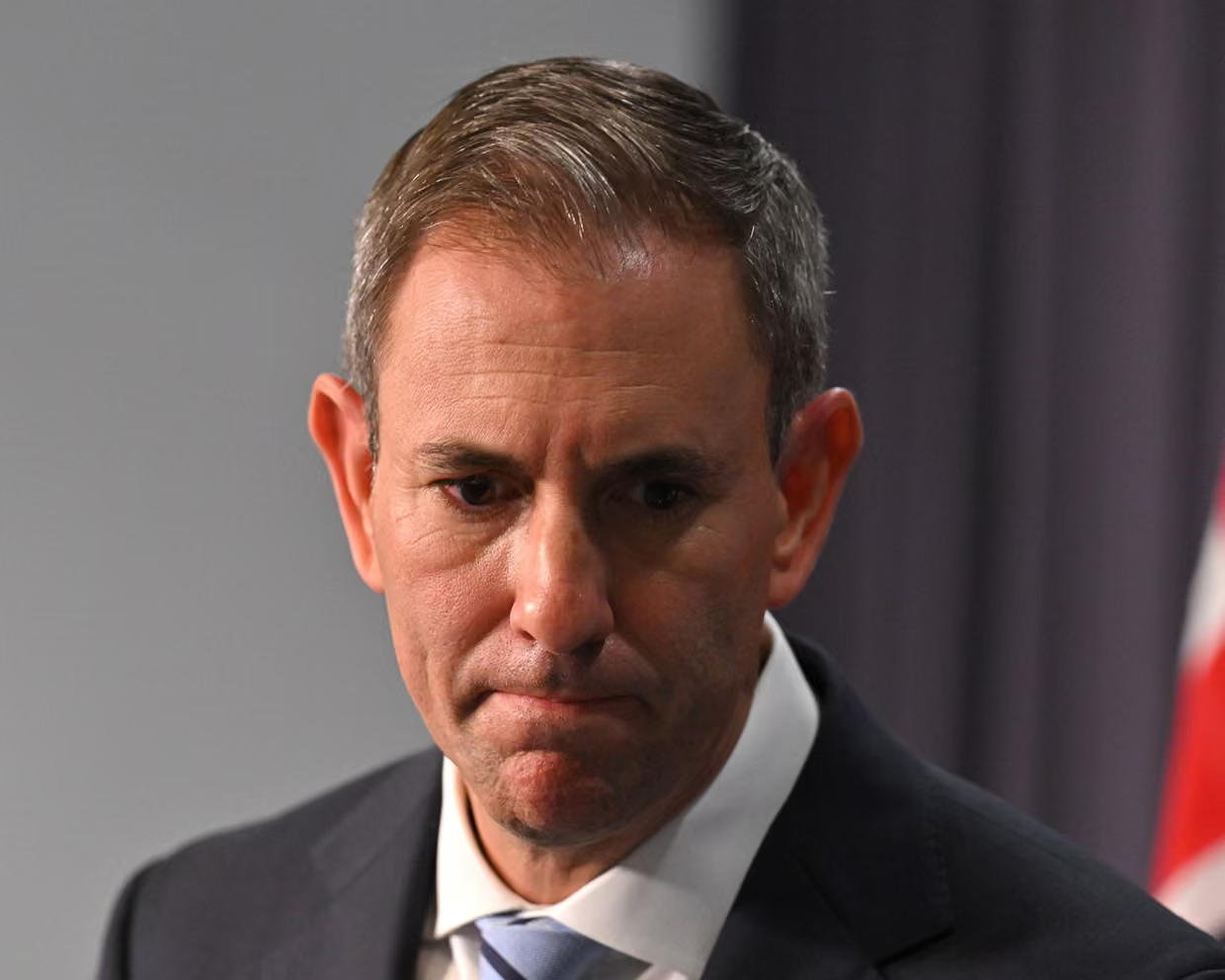
Middle East Conflict Could Cost Australia $16.5 Billion—Treasurer Issues Stark Warning

Prolonged Middle East War Threatens Australia’s Economy
Jim Chalmers has warned that a prolonged conflict in the Middle East could inflict a major economic blow on Australia, potentially slashing $16.5 billion from the national economy by 2027.
In new Treasury modelling released ahead of Thursday’s national cabinet meeting, Chalmers compared the potential impact of the conflict to past major shocks, including the global financial crisis and the Covid-19 pandemic.
Inflation and Fuel Price Pressures
Rising Inflation
Chalmers highlighted the risk of inflation peaking at 5% this year, up from previous estimates of 3.8%. He noted that recent global disruptions, including conflict-driven energy price spikes, could push inflation even higher than 4.5%, describing the outlook as “very real” and concerning for households.
Petrol Price Hikes
Motorists are expected to feel ongoing pressure, with fuel costs projected to remain elevated through 2029. These sustained price increases are likely to weigh heavily on household budgets and consumer spending.
GDP and Economic Impact
A Significant Hit
Treasury forecasts indicate that a long-lasting Middle East conflict could reduce Australia’s GDP by 0.6% in 2027, equivalent to roughly $16.5 billion in lost economic output.
Chalmers described the potential consequences as “a bigger scar” than many recent economic disruptions, warning that the effects could ripple through multiple sectors.
Lessons from Past Crises
By likening the impact to the global financial crisis and Covid pandemic, Chalmers emphasized that the economic effects could be deep and prolonged, affecting employment, inflation, and consumer confidence.
National Cabinet to Discuss Response
Fuel and Supply Challenges
Ahead of the national cabinet meeting, Chalmers indicated that key issues on the agenda would include:
- Fuel disruptions driven by global energy instability
- Economic shocks resulting from Middle East tensions
- Policy measures to mitigate inflation and protect households
The meeting will be crucial in shaping Australia’s short- and medium-term economic strategy.
What Australians Can Expect
Household Implications
Citizens may face:
- Rising petrol costs and living expenses
- Increased pressure on household budgets
- Potentially slower wage growth relative to inflation
Economic Precautions
The government is expected to consider strategies to:
- Stabilize fuel supply and prices
- Support industries most affected by global shocks
- Maintain economic resilience amid international uncertainty
Final Thoughts
Jim Chalmers prolonged Middle East conflict could pose to Australia. With inflation on the rise and fuel prices expected to remain high for years, both households and policymakers face a challenging landscape ahead.
Treasury’s modelling serves as a reminder of the fragility of global markets and the need for careful planning to minimize the economic fallout of international crises.

