
Albanese Pushes for Zero US Tariffs on Australian Exports as Trump’s 90-Day Pause Nears End

Australia Urges End to Tariffs Ahead of Key US Decision
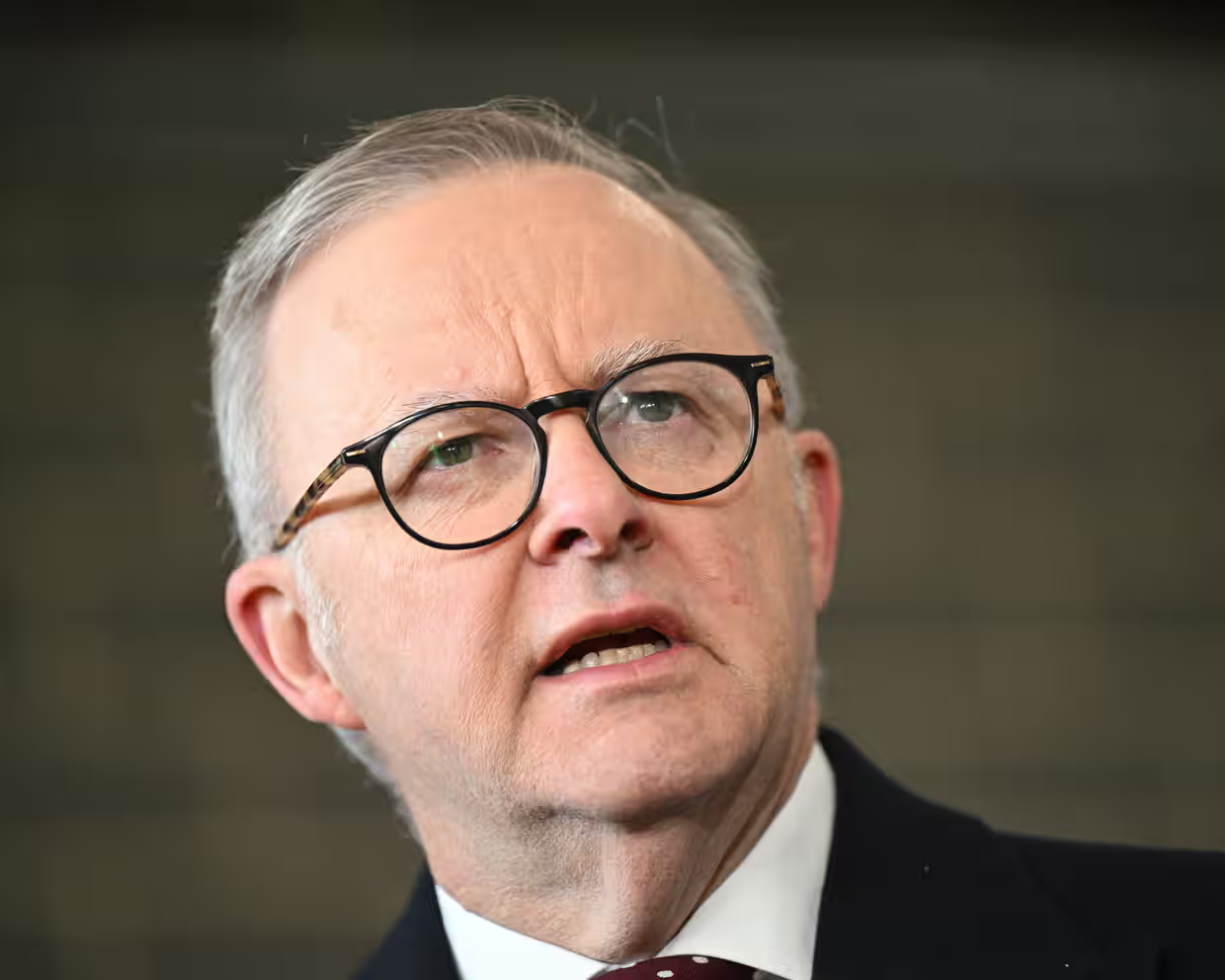
Prime Minister Anthony Albanese has called for zero US tariffs on Australian goods, urging fair treatment for one of America’s closest allies as a 90-day suspension of a key trade levy nears its end.
The suspension—put in place by former President Donald Trump—temporarily lifted the 10% baseline tariff on certain imported goods, including from Australia. That pause is set to expire next week, sparking concern among Australian exporters and businesses who fear a snap return of US tariffs.
Albanese’s comments come as the Australian government intensifies diplomatic efforts to secure long-term trade protections in anticipation of further instability in US trade policy, particularly if Trump regains office in 2025.
Albanese: “US Tariffs on Australia Should Be Zero”
Speaking ahead of a scheduled meeting between trade officials from both nations, Albanese said:
“The United States has no closer friend than Australia. Our economic relationship should reflect that—with zero tariffs on our exports.”
The Prime Minister argued that Australia’s long-standing strategic and military alliance with the US should be matched by open, reciprocal trade terms, especially as both countries aim to de-risk their supply chains and diversify global trade away from authoritarian markets.
What Was Trump’s 90-Day Tariff Pause?
In early 2025, former President Donald Trump introduced a 90-day pause on the minimum 10% baseline tariff applied broadly to imports into the US—including from traditional partners like Australia.
The move was framed as a temporary reprieve to ease inflationary pressures and reduce trade friction during a volatile economic period. However, the pause was not country-specific, and it was not accompanied by formal exemptions or long-term commitments.
As the pause nears its scheduled expiry date, there is growing uncertainty over whether the US will reinstate tariffs—or adjust them based on diplomatic negotiations or strategic priorities.
What’s at Stake for Australia?
Key Australian Exports at Risk
The reintroduction of the 10% tariff could hit several Australian industries hard, including:
- Aluminium and steel
- Beef and agricultural goods
- Wine and dairy
- Rare earths and critical minerals
For exporters, any new barrier could affect pricing, competitiveness, and long-term contracts. The tariff threat also comes at a time when Australian producers are seeking to recover from years of trade tensions with China and rebuild diversified export markets.
Impact on Trade and Investment
The US is Australia’s third-largest trading partner and a major source of foreign investment. A return to protectionist trade policies could:
- Erode business confidence
- Disrupt bilateral supply chains
- Undermine strategic cooperation on clean energy, defence, and tech innovation
Strategic Friction: Trump’s Protectionist Agenda
While the Biden administration has mostly maintained existing trade settings, Trump has signalled a hardline return to tariffs as a key pillar of his 2024 campaign platform. His proposals include:
- A universal 10% tariff on all imports
- Even higher rates for countries seen as competitors, like China
- A broader reshoring strategy to “bring manufacturing back to America”
Australian officials are concerned that Trump’s approach doesn’t distinguish between allies and adversaries, potentially lumping Australia in with trade rivals despite their shared military and intelligence ties.
Can Australia Secure a Long-Term Exemption?
What Australia Is Doing
Australian trade and foreign affairs officials are:
- Engaging directly with US counterparts
- Lobbying through diplomatic and industry channels
- Highlighting the mutual benefits of tariff-free trade, particularly in sectors like rare earths, clean tech, and defence supply chains
There is also discussion of using existing trade frameworks—like the US-Australia Free Trade Agreement (AUSFTA)—to strengthen tariff protections or codify exemptions moving forward.
Challenges Ahead
Australia’s push may face headwinds, including:
- Domestic political pressures in the US
- Trump’s unpredictable policy shifts
- Rising geopolitical tensions and economic nationalism
Nonetheless, trade analysts argue that excluding Australia from generalised tariffs would make strategic sense, particularly given shared goals around supply chain resilience and Indo-Pacific stability.
Allies in Trade, Not Just Talk
As the 90-day pause on US import tariffs approaches its expiration, Prime Minister Albanese is making a clear case: Australia should not be caught in the crossfire of American protectionism.
With strong diplomatic ties, shared military alliances, and deeply interconnected economies, Australia is seeking a permanent exemption from new US tariffs—and sending a signal that talking up allies must come with action at the border.
The coming weeks will be crucial in determining whether rhetoric translates into real economic security for Australian exporters—or whether they’ll face fresh barriers in one of their most important markets.