
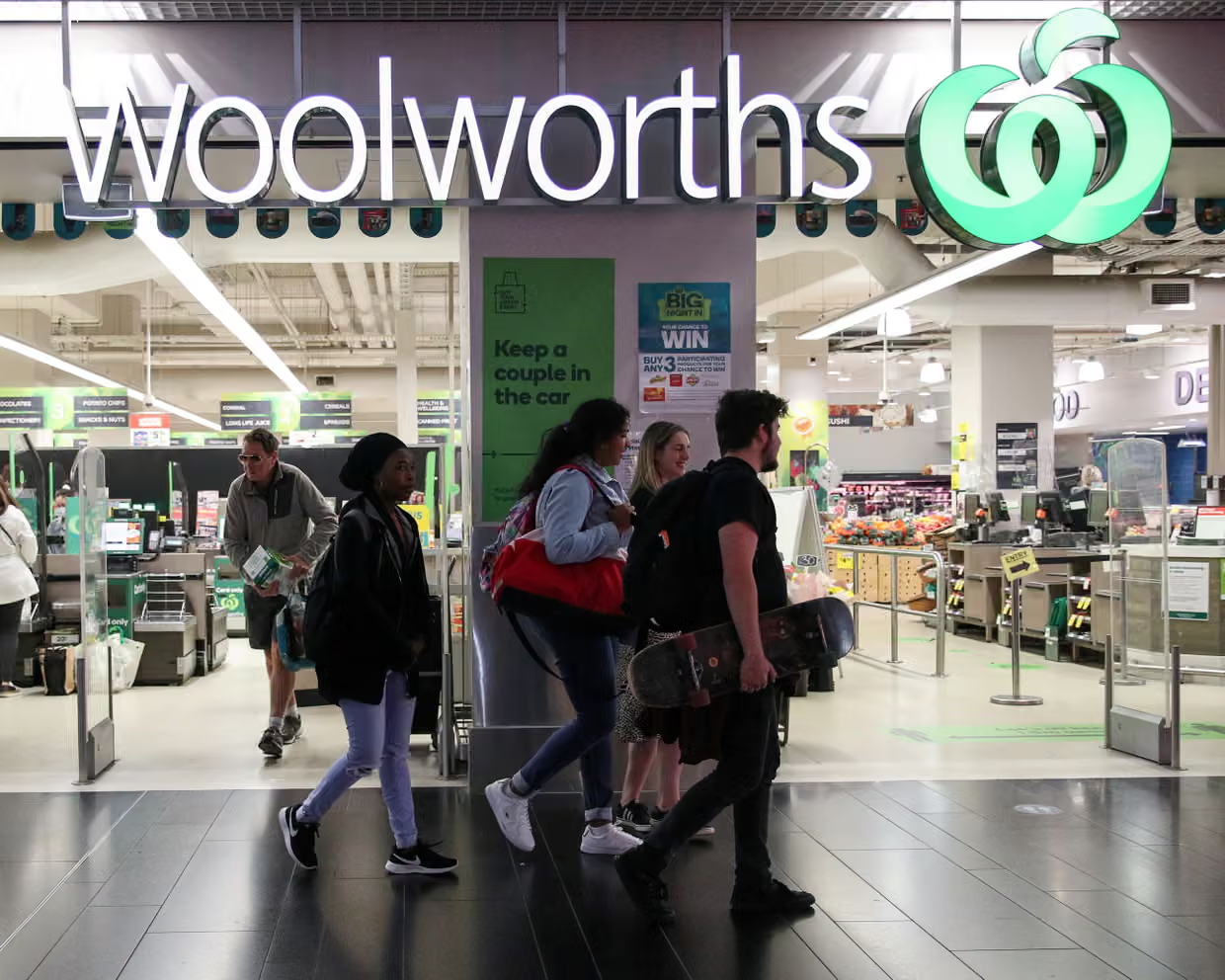

Woolworths recently announced that it has delivered eight consecutive quarters of price declines, presenting the message as a win for Australian families. On the surface, the retailer’s claim suggests that households are consistently paying less for groceries than in previous years. However, a closer look at the numbers reveals that reality is far more complicated, and many families may not be seeing genuine savings.
The Numbers Behind the Claim
Woolworths’ reported price decreases are based on average basket comparisons over multiple quarters. While some individual items may have seen temporary reductions, the overall cost of shopping has remained high for families trying to maintain a typical diet.
Analysts point out that to truly pay less than two years ago, a household might have to compromise significantly on quality and variety. A weekly grocery basket consisting mostly of washed potatoes, cheese slices, white sugar, and long-grain rice may be cheaper, but it doesn’t reflect a balanced, realistic diet for a typical family.
Why Families Are Feeling the Pinch
Despite Woolworths’ claims, many Australians continue to face higher grocery bills due to:
- Inflation affecting fresh produce, meat, and dairy.
- Rising energy and transport costs passed on to consumers.
- Price differences between sale items and everyday staples.
Families are noticing that while some packaged goods may appear cheaper, essential items like fruits, vegetables, and meats are still costing more than they did two years ago. This discrepancy highlights the difference between average basket calculations and the lived experience of shoppers.
Marketing vs. Reality
Retailers often highlight selective statistics to promote a narrative of affordability. Woolworths’ claim of eight consecutive quarters of price declines falls into this category. By focusing on a curated basket of items and ignoring the broader context of food inflation and quality, the retailer creates an impression that doesn’t fully match everyday shopping experiences.
For many households, the reality is that they are still paying significantly more for balanced meals than they were before the pandemic and inflationary pressures took hold.
What Shoppers Can Do
- Compare prices across stores rather than relying on advertised average drops.
- Focus on essential fresh produce, meat, and dairy items, which form the bulk of realistic weekly grocery spending.
- Consider seasonal buying and bulk purchases to stretch the grocery budget.
While price drops on selected items may offer short-term relief, long-term household savings depend on shopping strategies and choices that go beyond a single retailer’s marketing narrative.
Woolworths’ announcement of eight consecutive quarters of price declines may sound encouraging, but it does not reflect the full story for Australian families. The reported savings are largely theoretical, based on selective averages that omit the everyday cost of nutritious meals. For households trying to balance budgets and feed families properly, the claim falls short of reality.
True affordability requires looking beyond headline numbers and understanding what a realistic grocery basket actually costs. Until then, families may find that the price cuts touted in marketing campaigns are not enough to make a meaningful difference.

