
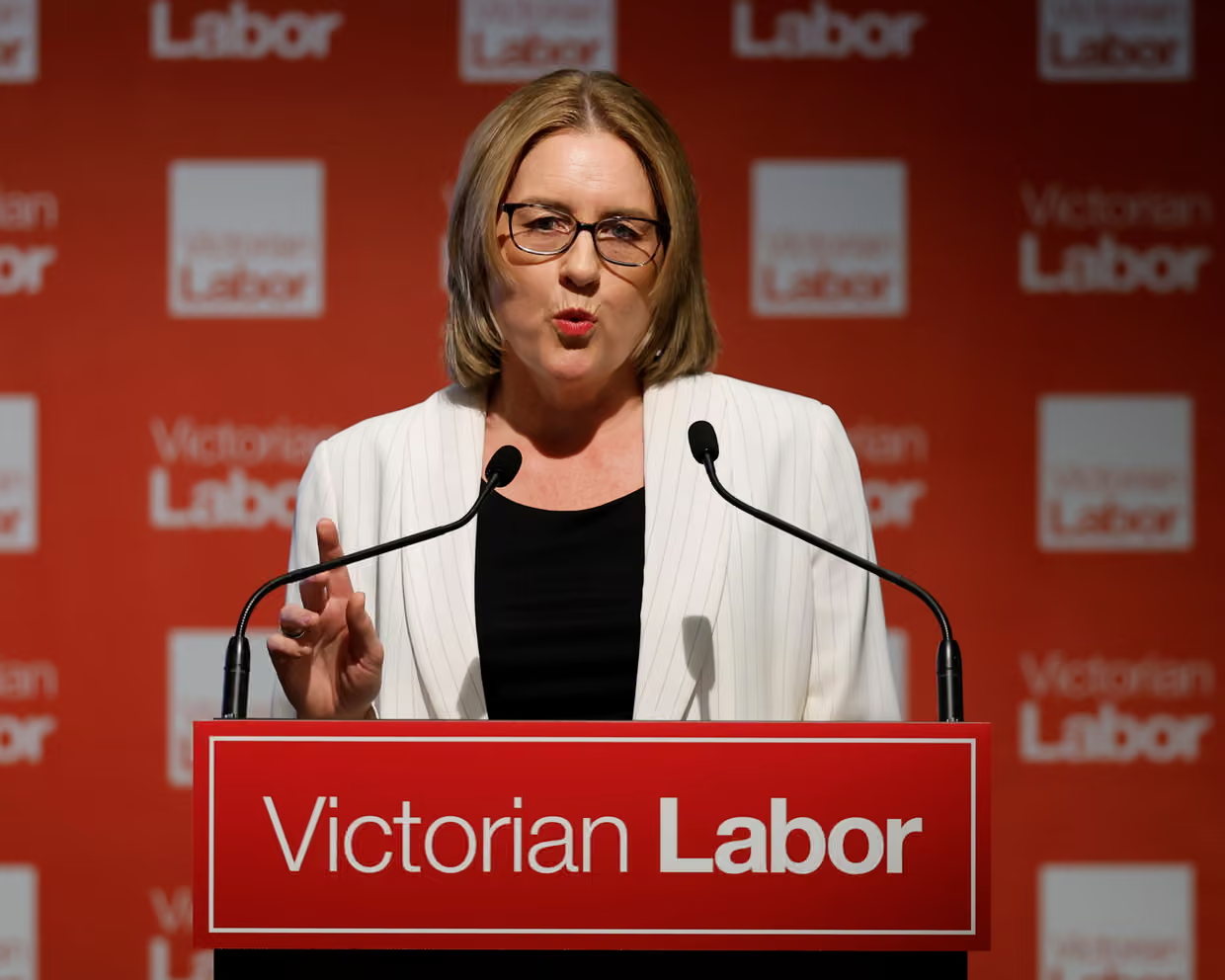

Jacinta Allan vows to fight for workers’ flexibility and dignity with bold new remote work laws
Historic Change Coming for Victorian Workers
Victorians may soon gain the legal right to work from home two days a week, under a groundbreaking new proposal by the state Labor government. If passed, Victoria would become the first state in Australia to legally guarantee flexible work for employees.
Premier Jacinta Allan announced the policy during Labor’s state conference, declaring that the legislation will be introduced in 2026. The new law would allow workers to work remotely at least two days a week, as long as their job can reasonably be performed from home.
Why the Law Is Being Proposed
According to Allan, this policy is about much more than just convenience. It’s about fairness, dignity, and modernizing the workplace.
She said, “This isn’t about whether the work gets done. It gets done. This is about power. It’s about who gets to call the shots and who gets pushed around.”
The premier also highlighted the benefits of remote work:
- Lower costs for families
- Less traffic congestion
- Greater job access for women, carers, and people with disabilities
- Improved work-life balance
A Political Fight Is Brewing
Allan made it clear that she expects resistance from business lobby groups and some employers, but says she and her government are ready for it.
“We are prepared for a fight with those who cling to outdated ways of working because they don’t want to give up control,” she told Labor members.
She painted the upcoming debate as a battle between progress and control, arguing that too many employers still treat flexible work as a favor rather than a right.
A Win for Working Women and Families
This proposal is particularly aimed at helping:
- Working mothers
- Single parents
- Carers
- People with chronic illness or disability
Many of these groups already face barriers to traditional full-time office work, and remote work has opened up new opportunities during the pandemic era. This law could make that flexibility permanent and protected by law, not just offered at the whim of a manager.
Allan framed the policy as part of a broader push for gender equality and workforce inclusion, saying:
“We will not stand by while workers—especially women, single mums, carers—get punished for needing balance in their lives.”
How the Law Would Work
The exact wording of the legislation is still to come, but here’s what we know so far:
- Workers would be legally entitled to work from home at least two days per week, if their role allows it.
- Employers would likely need to provide justification if they deny a work-from-home request.
- The law would apply across both public and private sectors.
The proposal is expected to spark debate nationwide, as flexible work continues to be one of the biggest shifts in employment culture post-COVID.
What Makes This Law Unique
Currently, no other state or territory in Australia offers a guaranteed legal right to work from home. Most remote work agreements are based on employer discretion or informal arrangements. That means they can be revoked or changed without notice.
If passed, this Victorian law would set a new national standard, potentially putting pressure on other states to follow.
Not Everyone’s on Board
While many employees are welcoming the proposal, some business groups and corporate leaders are already raising concerns. Common criticisms include:
- Decreased productivity or collaboration
- Difficulty managing teams remotely
- Office culture erosion
But Allan argues that these concerns are overblown, and the real issue is control, not performance.
She believes it’s time to modernize the workplace and stop treating flexible work as a threat. Instead, it should be embraced as a tool to build a more inclusive and productive workforce.
What Happens Next?
The legislation is expected to be formally introduced to the Victorian Parliament in 2026. Between now and then, there will be:
- Consultation with unions and employer groups
- Public debate and media scrutiny
- Political lobbying from both sides
With the Labor government holding power in Victoria, the law has a strong chance of passing—especially if public support continues to grow.
Why This Matters for the Future of Work
This proposed change reflects a major cultural shift in how Australians think about work. Remote work went from being a niche perk to a mainstream expectation during the pandemic, and this law could make that shift official and enforceable.
It could also:
- Influence national workplace laws
- Encourage more inclusive hiring
- Reduce stress and burnout
- Push other states to introduce similar rights
For many Victorians, this could mean finally having greater control over their schedules, their health, and their family life—without needing to ask for permission.
The Bottom Line
Victoria is on track to lead the nation in protecting the right to flexible work. Premier Jacinta Allan is making a bold bet that Australians are ready to embrace a new way of working, one that puts people before power and results before routines.
The next chapter in the fight for workplace fairness has begun—and it’s starting in Victoria.