
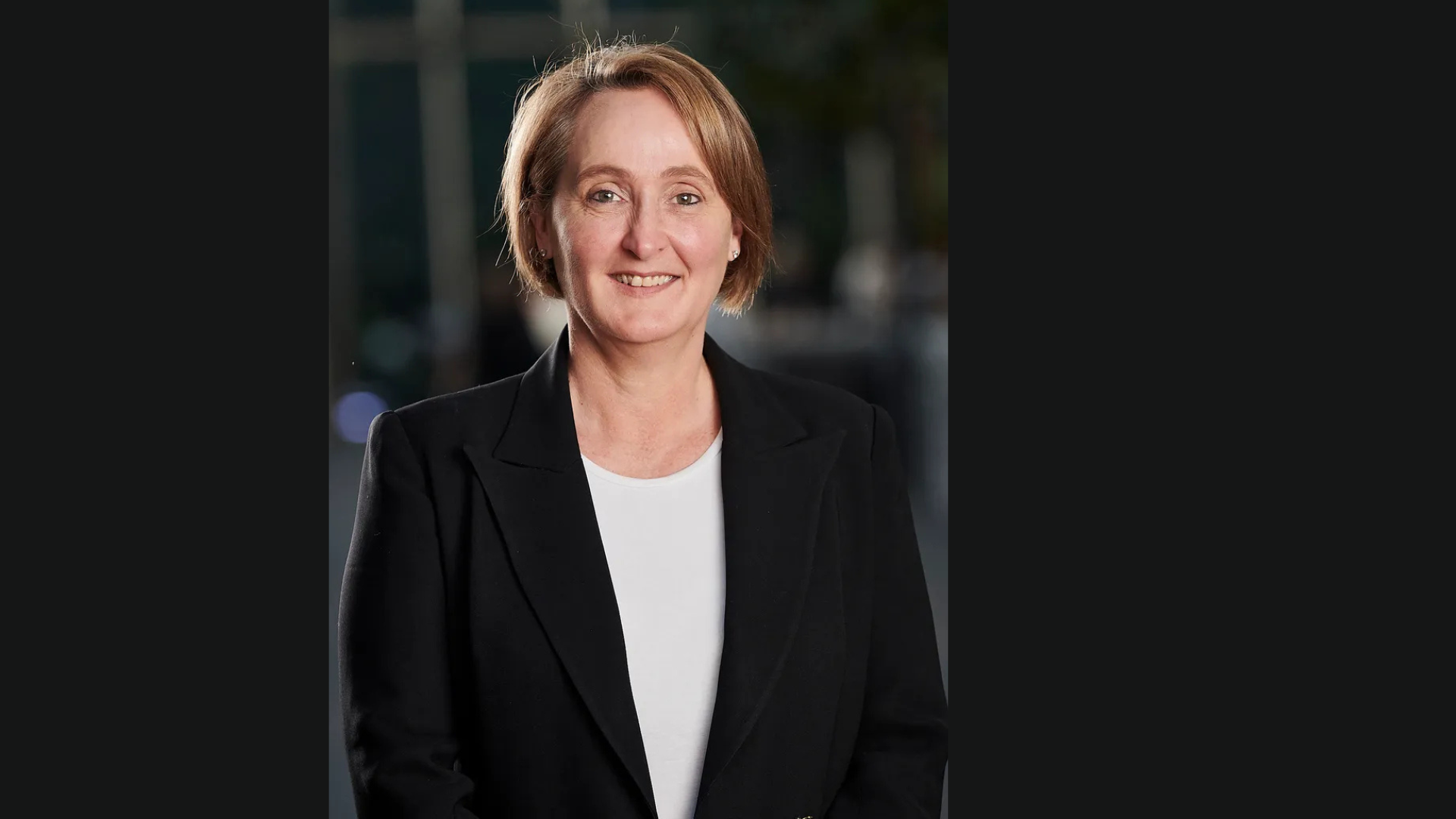

When Vanessa Hudson took over the top position at Qantas, she inherited an airline navigating one of the most turbulent reputational and operational periods in its long history. As the first woman to lead the national carrier, Hudson entered the cockpit at a time when public trust was unusually strained, post-pandemic restructuring remained unfinished, and competitive pressures in global aviation were intensifying. Yet today, she stands at the centre of Australia’s aviation transformation, spearheading a bold renewal strategy that will shape Qantas for the next decade.
Over the last few months, Hudson has moved aggressively to restore the confidence of passengers, regulators, and stakeholders. Her tenure thus far has been characterized by two intertwined tasks: restoring the airline’s public image and positioning Qantas for a technologically sophisticated, modern fleet era. These undertakings came together in the airline’s recent announcement of what Hudson termed the “single largest fleet renewal in Qantas history”, heralding a fresh chapter for Australia’s best-known aviation brand.
A Historic Fleet Investment
The centrepiece of Hudson’s strategy is a multibillion-dollar investment into new aircraft designed to modernise Qantas’ domestic and international operations. The carrier is moving ahead with the replacement of ageing models, reduction in emissions, and introduction of long-range aircraft able to revolutionise the manner of global connectivity for Australian travellers.
This ambitious renewal program demonstrates Hudson’s commitment not just to maintain Qantas’ legacy, but to reposition the airline as a competitive global force. With the new-generation aircraft offering better fuel efficiency, Qantas hopes to reduce operating costs, enhance passenger comfort, and considerably strengthen its position in international markets, all while lessening the environmental impact. Hudson has framed the investment as essential, not optional, and an overdue step to keep Qantas relevant in a fast-evolving aviation landscape.
Rebuilding Trust with Customers
The upgrade of the fleet puts Qantas on a path of growth, but Hudson has also been working in parallel to stem customer frustration that had mounted over flight cancellations, refund controversies, service degradation, and regulatory tensions. Her style of leadership has contrasted with the harder-edged corporate tone of her predecessor, positioning Hudson as more transparent, empathetic, and customer-oriented.
Under her watch, Qantas has introduced updated customer service protocols, expanded call-centre support, and restructured a few passenger communication systems to reduce the response delays. Hudson has also tried to turn the airline from its defensive messaging toward one of acknowledgement and correction—a tone that has been received positively across consumer forums and aviation analysts.
By openly acknowledging the areas wherein the airline fell short and painting more explicit road maps for change, Hudson has merely begun the long process of gaining back trust from frequent flyers and the business community.
Stabilising the Qantas Workforce
Another area central to Hudson’s agenda is the workforce: years of industrial disputes, outsourcing decisions, and pandemic-era layoffs had strained the airline’s relationship with its staff. Hudson has made it a priority to stabilise this internal environment, emphasizing communication and collaboration.
Her approach has included reviewing previous controversial staffing decisions, strengthening training programs, and promoting initiatives to support frontline employees-the foundation of customer experience. Though there is still a ways to go in fully resolving these issues, Hudson’s efforts have been seen as positive steps toward aligning employee morale with the airline’s goals for transformation.
Navigating Regulatory Scrutiny
Hudson has also had to navigate Qantas through a period of increased regulatory scrutiny. The airline has been investigated and taken to court for alleged breaches involving cancellations and refund policies during the pandemic. Hudson has vowed cooperation, going so far as to express an openness to dealing with the systemic issues related to those cases-a stance that marks a shift toward compliance and institutional accountability.
Her emphasis on governance reforms has been particularly important in reassuring investors and government stakeholders that Qantas is committed to operating with greater transparency.
The Road Ahead Vanessa Hudson is still relatively fresh into her tenure, but the impact she’s having on Qantas is already palpable. Operational pragmatism is mixed with a fresh focus on passengers and employees under her leadership, something that might be imperative considering the juggernaut of change Qantas faces in response to global industry shifts – including sustainable aviation goals, rising international competition, and fluctuating fuel markets. If Qantas successfully completes its fleet renewal, restores customer trust, and strengthens internal cohesion, then much of that credit will go to Hudson’s steady, reform-driven approach. Leading the airline through one of its most consequential transitions in history, Hudson is now setting a definition for what the next decade of Australian aviation will look and feel like-and indeed, what Qantas will mean to travellers at home and abroad.

