
Trump’s Energy Chief Pushes Australia to Ditch Nuclear Ban and Embrace Uranium Exports

Introduction: A Bold Push for Nuclear Energy in Australia
The debate about whether Australia should embrace nuclear energy is heating up once again. Chris Wright, the former energy secretary under Donald Trump, has called on Australia to end its self-imposed ban on nuclear energy and start exporting enriched uranium. This latest push comes amid growing tensions between the Albanese government’s renewable energy plans and the opposition’s calls for nuclear power plants across the country. So, what does this mean for Australia’s energy future, and why is the nuclear debate so heated right now?
Chris Wright’s Strong Stance on Nuclear Energy
A Call for Change
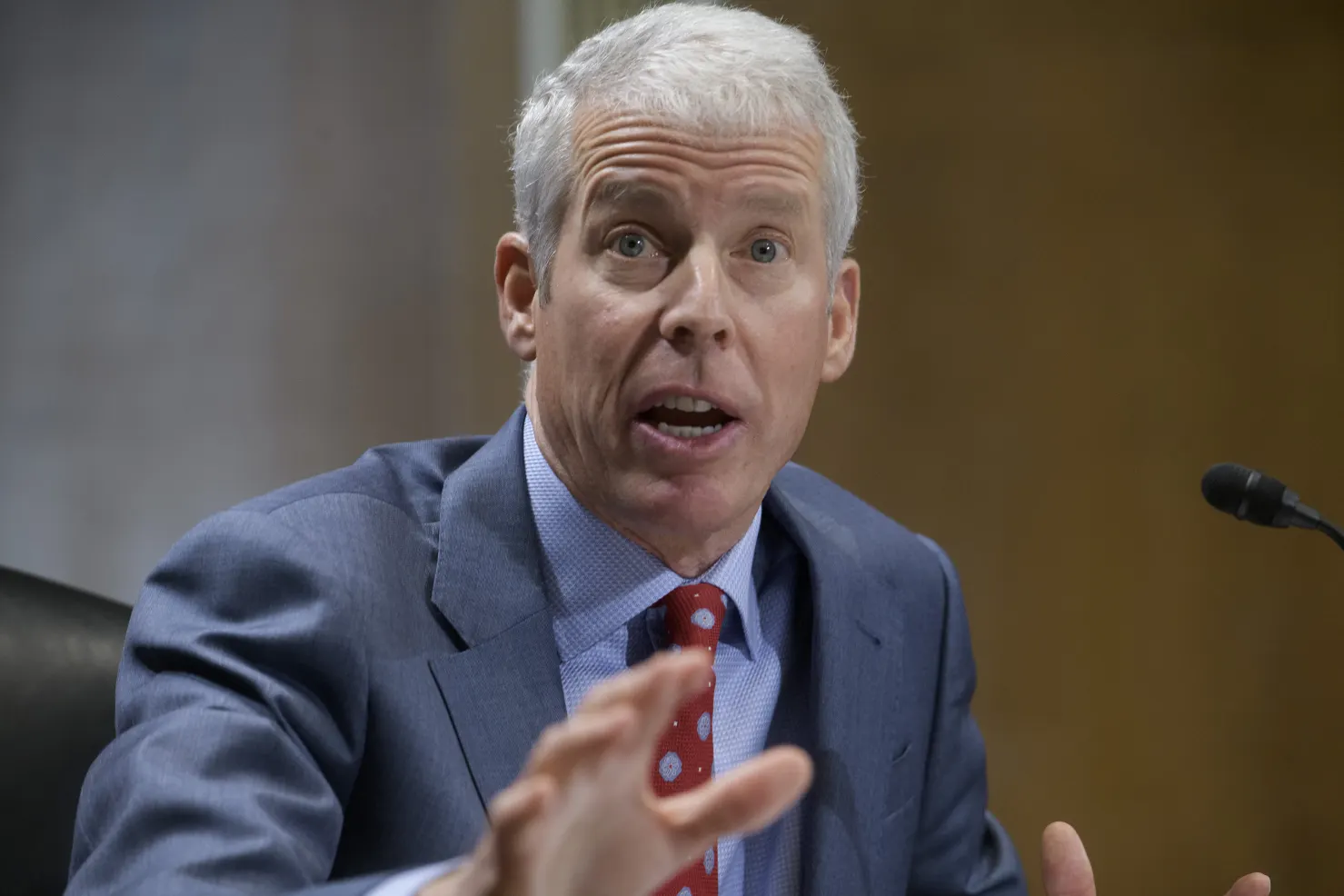
Speaking at an international conference on Monday, Chris Wright made it clear that he believes Australia’s energy policy needs to evolve. He singled out Australia, urging the country to reconsider its long-standing ban on nuclear energy. The United States, under Trump’s leadership, has been a strong advocate for nuclear power as part of a broader strategy to secure energy independence and reduce carbon emissions.
Wright’s statement adds fuel to the ongoing political clash in Australia over energy policy, particularly regarding the role of nuclear power. While some Australian politicians, like Opposition Leader Peter Dutton, are pushing for nuclear plants across the country, the Albanese government remains committed to a renewable energy future, focusing on solar, wind, and hydropower.
Why the Push for Nuclear Energy?
A Cleaner, More Reliable Source of Power?
Nuclear energy is a topic of debate across the world, with proponents arguing that it is a cleaner and more reliable source of power compared to fossil fuels. Supporters of nuclear energy claim that it can help reduce greenhouse gas emissions while providing a stable, consistent supply of electricity. In countries like the United States, France, and China, nuclear power plays a significant role in the energy mix.
For Australia, a country rich in uranium resources, the potential for nuclear energy is particularly appealing. Proponents like Wright believe that nuclear energy could not only help Australia meet its climate goals but also serve as a powerful economic driver, allowing the country to export enriched uranium to other nations.
The Political Divide: Albanese vs. Dutton
Renewables vs. Nuclear: A Deepening Divide
The call for nuclear energy is sparking a political battle in Australia, with the Albanese government and Opposition Leader Peter Dutton on opposite sides of the debate. Prime Minister Anthony Albanese and his government have been vocal in their support for renewable energy, particularly solar and wind power, as the key to Australia’s energy future. They argue that renewable energy is not only better for the environment but also a more sustainable and cost-effective option for the country in the long run.
On the other hand, Peter Dutton and the opposition argue that nuclear power is a necessary part of the solution to Australia’s energy challenges. Dutton has gone so far as to propose building seven nuclear power plants across the country to ensure Australia has a reliable, low-emissions energy source. His proposal has drawn strong reactions from supporters of renewable energy, who see it as a step backward in the fight against climate change.
The Controversy: Should Australia Embrace Nuclear Energy?
Safety Concerns and Environmental Impact
One of the key reasons nuclear energy remains controversial is the safety and environmental concerns associated with it. While modern nuclear reactors are designed with advanced safety features, the potential risks of nuclear accidents—such as the 1986 Chernobyl disaster or the 2011 Fukushima disaster—still loom large in the public’s mind. There’s also the issue of nuclear waste, which can remain hazardous for thousands of years.
Australia’s decision to maintain a ban on nuclear energy has been influenced by these concerns, as well as the country’s unique geographical and environmental context. Supporters of the ban argue that Australia’s vast landmass and relatively low population density make nuclear power an unnecessary and risky option, particularly when renewable energy sources are readily available.
The Potential Economic Benefits of Uranium Exports
However, nuclear energy isn’t the only part of the debate. The issue of uranium exports is also front and center. Australia is one of the world’s largest producers of uranium, and Wright’s suggestion that the country could start exporting enriched uranium to other nations could provide a significant economic boost. This would allow Australia to tap into the global demand for nuclear energy while generating substantial revenue and jobs in the process.
Critics of this idea, however, worry about the ethical implications of exporting uranium for nuclear energy production, especially given the safety and environmental risks associated with nuclear power. There’s also the concern that exporting uranium could inadvertently support countries with questionable human rights records or unstable political situations.
What’s Next for Australia’s Energy Policy?
A Crossroads: Nuclear or Renewables?
Australia’s energy future is at a crossroads. The Albanese government is firmly committed to its renewable energy agenda, focusing on clean, sustainable power sources that align with the global push to combat climate change. Solar, wind, and hydropower are seen as the future of Australian energy, and the government is investing heavily in infrastructure to support these technologies.
On the other hand, figures like Peter Dutton and Chris Wright argue that nuclear power should be part of the energy mix. Dutton’s plan for seven nuclear plants aims to provide Australia with a reliable and low-emissions power source, while Wright’s suggestion to export enriched uranium could position Australia as a key player in the global nuclear energy market.
The debate over nuclear energy will likely continue to evolve, with both sides presenting compelling arguments. Australia’s decision on whether to embrace nuclear power, either through domestic energy generation or uranium exports, will have lasting implications for the country’s economy, energy security, and environmental goals.
Conclusion: A Divisive Issue with No Easy Answers
As the global energy landscape shifts toward cleaner, more sustainable sources of power, Australia finds itself at a crossroads. The debate over nuclear energy is far from settled, with strong arguments on both sides of the political divide. Chris Wright’s call for Australia to end its ban on nuclear energy and start exporting enriched uranium has reignited this divisive issue, further polarizing the debate between the Albanese government’s renewable energy plans and the opposition’s push for nuclear power.
While nuclear energy could offer potential benefits, such as reduced emissions and economic growth through uranium exports, it also comes with significant risks and challenges. Whether Australia ultimately chooses to embrace nuclear power or stick with its renewable energy strategy, it’s clear that the conversation will continue to evolve as the country navigates its energy future.