
Trump Targets Australian Beef with New 10% Tariff – What This Means for the U.S. and Australia

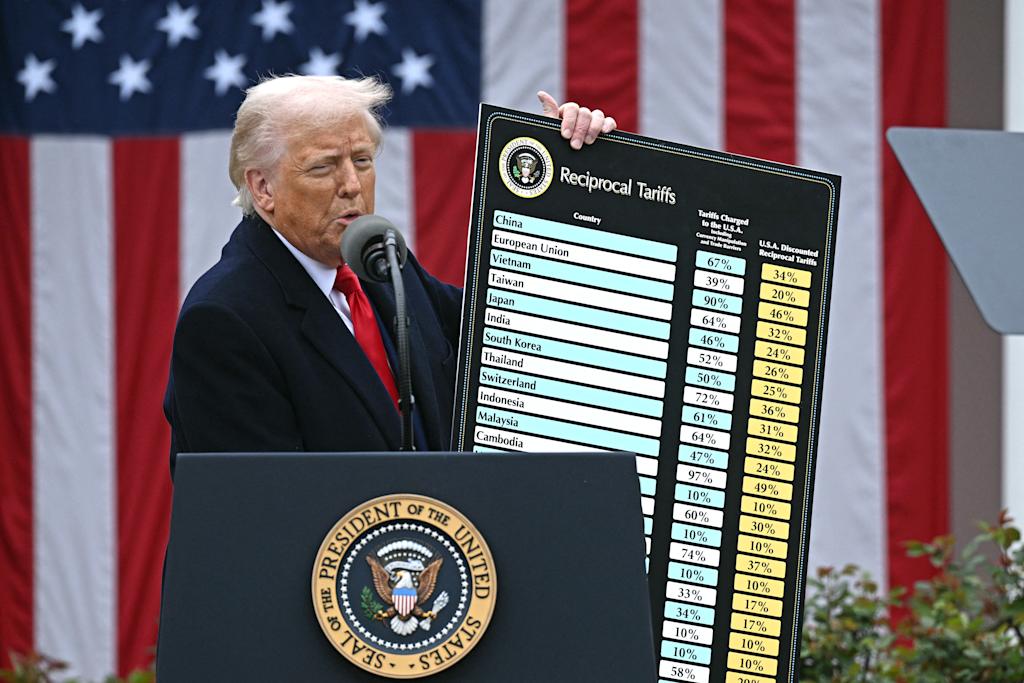
In a dramatic move that’s turning heads, President Donald Trump has announced a 10% tariff on Australian beef starting at midnight local time in the U.S. This bold decision is part of Trump’s broader trade policy overhaul, and Australia is one of the first nations to feel the heat.
But what does this mean for both Australia’s beef industry and U.S. consumers? Let’s break it down and explore how this decision could impact international trade, businesses, and your next steak dinner.
Trump’s New Tariff: The 10% Baseline on Australian Beef
What’s happening? Starting tonight, Australia will face a 10% baseline tariff on beef exports to the United States, according to a surprise announcement from the White House. The new tariff is part of the Trump administration’s ongoing efforts to address what it sees as trade imbalances and to protect American industries.
This tariff means that any beef products coming from Australia will now be taxed 10% upon entry into the U.S., making it more expensive for U.S. consumers to purchase imported Australian beef. The 10% levy will go into effect at midnight local time, marking the beginning of a new chapter in international trade between the two countries.
Why Australian Beef?
You might be asking, “Why beef?” Well, Australia has been a major supplier of high-quality beef to the U.S. for years. The beef trade has been a significant part of the economic relationship between the two countries. However, President Trump has expressed concerns about the trade deficit, arguing that the U.S. imports more goods than it exports, which puts American businesses at a disadvantage.
By singling out Australian beef, Trump is hoping to level the playing field and encourage countries like Australia to engage in more balanced trade relationships. He’s also making a point about the need for reciprocity—meaning that countries with favorable trade relationships with the U.S. should also make concessions on their end.
Impact on Australia’s Beef Industry
Australia’s beef producers may not be happy about this news. The U.S. is a huge market for Australian beef, and this new tariff could hurt sales. Australian farmers, ranchers, and exporters rely on U.S. demand to keep their businesses afloat, and a 10% increase in costs could make it harder to compete against other countries that don’t face similar levies.
The Australian government has expressed concern over the move, warning that it could have negative consequences for both businesses and workers in the beef industry. The tariff could also lead to higher prices for Australian beef in U.S. supermarkets, making it less attractive to American consumers.
What Does This Mean for U.S. Consumers?
For U.S. consumers, the 10% tariff could mean higher prices on beef products. While Australian beef is often considered some of the best in the world, the increased cost could push U.S. buyers toward domestic beef or other suppliers, especially if the tariffs make Australian beef significantly more expensive.
Some analysts suggest that the tariff could lead to price hikes at the grocery store, especially for premium cuts of beef. Consumers may also notice a reduction in the availability of Australian beef, as U.S. importers may look for alternative sources that aren’t as heavily taxed.
The Global Trade Ripple Effect
Though the tariff on Australian beef is significant, it’s just one piece of a much larger trade puzzle. This move is part of Trump’s “America First” trade agenda, which aims to reduce the U.S. trade deficit and encourage more domestic production. It’s not just about beef; the tariffs could extend to a range of other agricultural products and goods from countries with trade surpluses.
Experts are already speculating that this could strain relations between the U.S. and Australia. While both countries have a strong political alliance, trade wars tend to bring about tensions. The U.S. has already slapped tariffs on goods from other major trading partners, and this could set a dangerous precedent for global trade, potentially leading to a broader trade war that could affect everything from cars to electronics.
What’s Next for the U.S.-Australia Trade Relationship?
The immediate impact of the beef tariff could be felt on both sides of the Pacific. Australia will have to deal with slowed exports and possibly reduced beef prices as consumers look elsewhere. At the same time, U.S. consumers may face higher prices and limited options, depending on the market’s response.
This could also have a long-term effect on the relationship between the U.S. and Australia. While it’s too early to tell how severe the impact will be, the 10% baseline tariff could lead to more tariffs on additional products, and possibly even retaliatory measures from Australia. The situation may escalate, particularly if other countries are also targeted.
One thing is clear: this tariff is only the beginning of what could be a new era of trade friction between the two nations.
The Bigger Picture: Is This the Beginning of a Trade War?
If the tariff on Australian beef is any indication, President Trump seems committed to enforcing his trade agenda by putting pressure on foreign countries. This raises the stakes for global trade, as other nations may be forced to react and either negotiate new deals with the U.S. or impose tariffs of their own.
A trade war could hurt both sides in the long run. While some industries in the U.S. may benefit from protectionist measures, the global economy could take a hit, leading to higher costs for consumers and less trade between countries.
Will Australia Retaliate?
The Australian government has not been shy in expressing its displeasure over the new tariffs. While it hasn’t officially announced plans for retaliation yet, there is certainly potential for countermeasures. Australia could look to impose its own tariffs on U.S. products or take legal action through international trade bodies like the World Trade Organization (WTO).
It’s also possible that the 10% tariff on beef could be part of a larger strategy by Trump to push for broader changes in global trade policies, forcing countries to make concessions in order to avoid further tariffs.
What Does This Mean for You?
The U.S.’s new tariff on Australian beef is a big deal, but it’s only the beginning of a larger trade battle that could have far-reaching consequences for businesses, consumers, and governments alike. Australian farmers could face tougher market conditions, U.S. shoppers might pay higher prices, and the broader global economy could see even more disruptions as countries react to these tariffs.
As we wait for the tariffs to go into effect, one thing is certain: the trade war is heating up, and it’s likely to impact everything from beef to electronics in the coming months. For consumers, it’s a good idea to start paying attention to how trade policies affect prices on the goods you buy—because, as we’ve seen, the global market is anything but predictable.

