
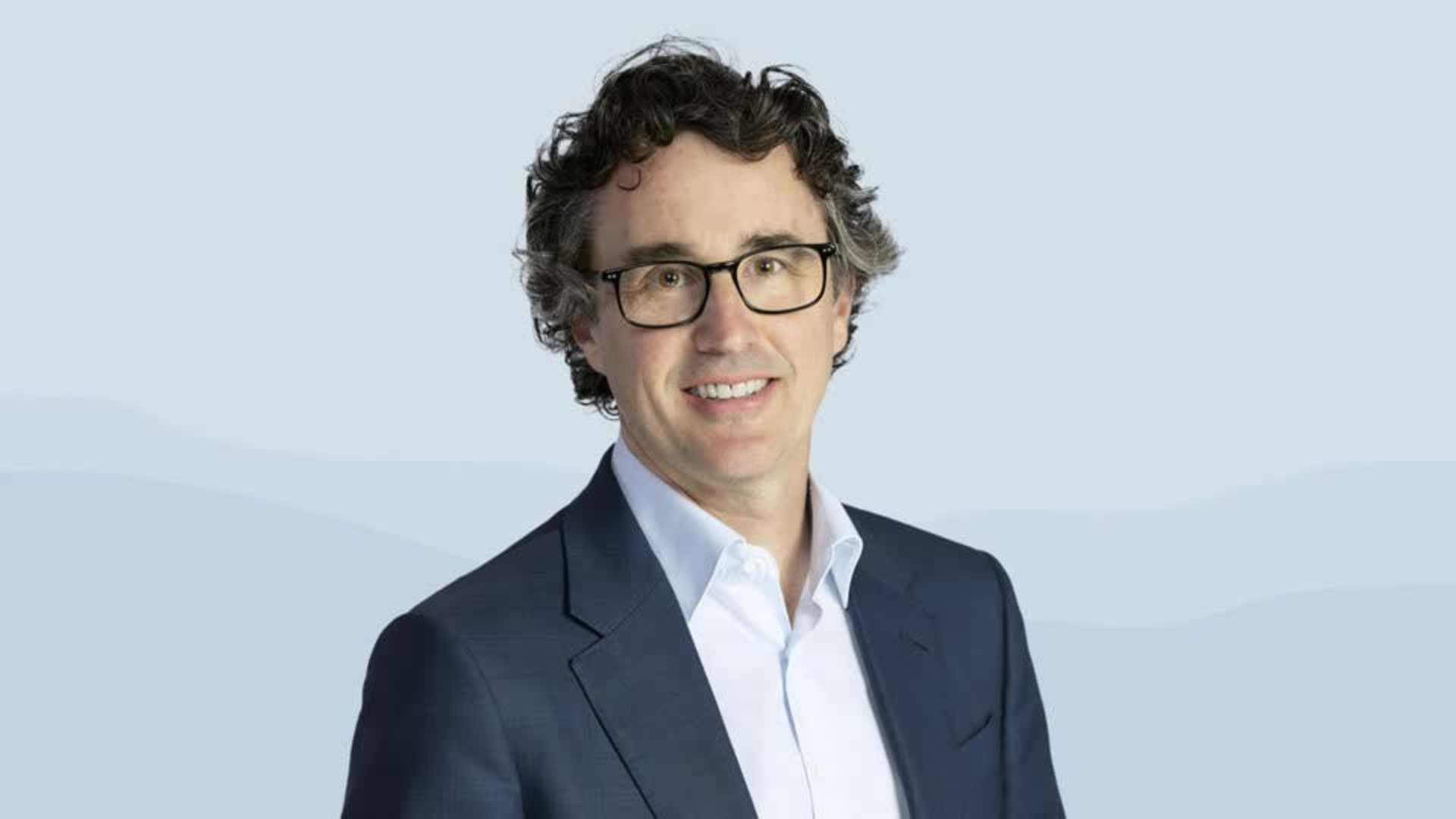

When Simon Trott stepped into the top job at Rio Tinto, one of the world’s most powerful mining companies, expectations were high. Caught between rising commodity demand, fierce global competition, and intense scrutiny over environmental performance, the industry was moving fast. Long-time Rio executive Trott, with deep operational experience, wasted no time signaling that his tenure would be defined by a bold and strategic reset. His sweeping overhaul plan, unveiled at the company’s 2025 Capital Markets Day, makes one thing crystal clear: Rio Tinto needs to become leaner, faster, and more profitable if it wants to dominate the next decade of global mining.
At the center of Trott’s vision is a massive cost-cutting and simplification program, one aimed at stripping away layers of bureaucracy and refocusing the company on its most profitable segments — iron ore, copper, and emergent aluminum-lithium materials. For a company that many analysts felt had become bloated and slow-moving, his approach represented a dramatic shift. Trott made it plain that Rio could no longer afford to carry underperforming assets or maintain sprawling departmental structures that added cost, not value. He emphasized that the mining giant needed to act much more like a disciplined, agile business — rather than a “heavyweight resting on historical wins.”
A major part of the overhaul was divesting non-core assets, especially those projects with limited growth outlooks or high operating complexity. Trott’s message was pretty straightforward: Rio Tinto would no longer support investments that cannot return significant returns or serve a place in its future-focused portfolio. His plan included offloading many small and mid-tier projects to make available capital for expansion in priority areas. While these divestments were anticipated, they strongly signaled the market-and competitors-that Rio is positioning to streamline itself for high-efficiency performance.
Yet Trott’s restructuring reaches beyond financial tightening. He has made operational excellence the focus, striving for productivity gains across mines in Australia, Mongolia, and Canada. His plan ranges from enhancing automation to deploying advanced technologies for ore recovery, with the aim of increasing output while decreasing downtime and emissions. A key plank is his drive for technology-enabled mining, especially in its Pilbara iron-ore operations, where automation already does much of the heavy lifting. Trott says such innovation-driven operations are the key to maintaining Rio’s global leadership as conditions for extraction become more complex and margins feel pressure.
Sustainability, a key issue for the company after years of controversy, has undergone strategic readjustment under Trott. Rather than high-cost, sprawling climate initiatives, Trott is moving toward a targeted, performance-linked sustainability framework. Prioritizing emissions-reduction technologies with a measurable ROI, simplified reporting, and actionable milestones, this new approach does not represent a scaling back of environmental ambition according to some critics; Trott’s team insists that it is about making sustainability accountable, transparent, and results-driven. His plan tries to balance profitability with social license, their delicate but necessary combination in today’s mining landscape.
Internally, Trott is also recasting the culture of Rio Tinto. His leadership style places a premium on accountability and speed. He has encouraged teams to reorganize around fewer layers of hierarchy and to make decisions more quickly rather than being trapped in long approval cycles. Reports from inside the company say employee sentiment has shifted significantly, with many describing the new CEO’s management style as “direct, objective and performance-oriented.” This is likely to be one of the most difficult parts of the transformation — yet among the most significant. Market reaction to Trott’s overhaul was largely positive. Investors welcomed the renewed focus on profitability, while analysts said the clearer strategic direction of the company could help in stabilizing its earnings and rebuilding global confidence in it. Rio Tinto shares rose modestly but meaningfully after the announcement because investors were optimistic about the new trajectory the group was taking. As Simon Trott implements his plan, the mining world is watching closely. His blueprint for Rio Tinto is bold: cut costs, refine its portfolio, adopt targeted sustainability, and drive operational transformation. If he pulls it off, not only will Trott reshape one of Australia’s most iconic companies, but he will also set a new benchmark for how global mining giants adapt in an era of rapid change, high scrutiny, and fierce competition.