
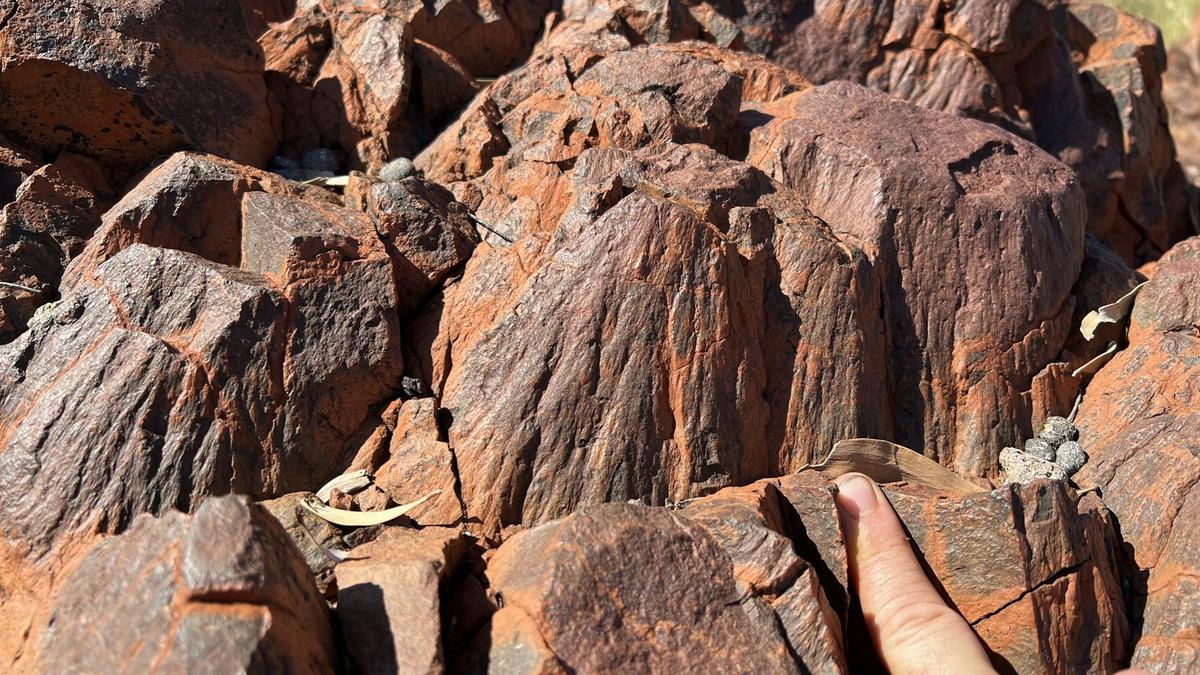
Scientists Uncover Earth’s Oldest Meteorite Impact Crater in Australia—A 3.5 Billion-Year-Old Discovery

A Groundbreaking Discovery in Australia
Imagine a piece of Earth’s ancient history lying beneath the surface, waiting to be uncovered. In a stunning new discovery, scientists have found the oldest meteorite impact crater on Earth right in the heart of Western Australia. This fascinating finding reveals that the crater formed over 3.5 billion years ago, making it the oldest known impact crater by more than a billion years. The discovery is so significant that it has been published in the prestigious journal Nature Communications.
This remarkable event takes us back to a time when Earth’s landscape was dramatically different and when meteorite impacts played a crucial role in shaping the planet’s surface. Let’s dive into the details of this amazing discovery and what it means for our understanding of Earth’s early history.
The Discovery: Where It Was Found and How It Came About
The Heart of the Pilbara Region
The discovery was made in the Pilbara region of Western Australia, an area known for its rich geological history. The Pilbara is one of the most ancient regions on Earth, with rocks that date back over 3.5 billion years. Geologists and researchers have long known that this area holds clues to Earth’s earliest days, and now, they’ve uncovered one of its most fascinating secrets yet: the oldest known meteorite impact crater.
This discovery didn’t happen overnight. It was the result of years of detailed fieldwork, research, and cutting-edge technology. By studying the layers of rock and conducting various geological analyses, scientists were able to pinpoint the location of the crater, buried beneath the surface.
What Makes This Crater So Special?
Over 3.5 Billion Years Old!
The meteorite impact crater is estimated to be more than 3.5 billion years old, making it the oldest known crater on Earth by more than a billion years! Before this discovery, the oldest known impact crater was around 2.5 billion years old, so finding one that’s over a billion years older is a huge leap in our understanding of Earth’s history.
But what makes this discovery even more extraordinary is the fact that it happened in an area with some of the world’s oldest rock formations. These rocks have been around since the Earth’s earliest days, and they’ve witnessed countless events that shaped our planet. This crater offers a rare glimpse into those times, and it’s one of the most significant geological findings in recent years.
What Does This Discovery Tell Us About Earth’s Early Days?
A Peek into Earth’s Early Atmosphere
Meteorite impacts have been a part of Earth’s history for billions of years, and they’ve played a major role in shaping the planet’s surface. In fact, early impacts like the one that created this ancient crater would have had a huge effect on the atmosphere and environment at the time. They could have helped create conditions that allowed life to eventually form.
By studying this ancient impact crater, scientists can gain new insights into what Earth’s atmosphere was like billions of years ago, and how these impacts influenced the development of our planet. Understanding the environment of early Earth can help us better understand how life evolved and what made Earth so special compared to other planets.
Why Is This Discovery So Important?
The Oldest Known Meteorite Impact
Meteorite impacts are fascinating because they offer a direct link to the early solar system. When a meteorite crashes into a planet, it leaves behind a scar—a crater that marks where the impact occurred. These craters provide scientists with a wealth of information about the conditions of the solar system billions of years ago.
Finding the oldest known meteorite impact crater is incredibly valuable because it allows scientists to learn more about Earth’s early surface and atmosphere. As the oldest known crater, it’s a time capsule, preserving clues to the environment and conditions that existed at the dawn of our planet.
What’s Next for the Scientists Behind This Discovery?
More Discoveries to Come
The team behind this incredible find has only just begun to scratch the surface of what’s hidden beneath the Pilbara region. There’s much more to uncover about the history of Earth and the early impacts that shaped it. This crater is just the tip of the iceberg, and the researchers are likely to continue their work in the area to make even more groundbreaking discoveries.
The hope is that this new knowledge will lead to further insights into the ancient environment of Earth, the effects of meteorite impacts on the planet, and how these early events influenced the development of life. The research from this discovery could ultimately answer questions we’ve been asking for centuries about our planet’s history.
The Bigger Picture: Earth’s Geological History
The Role of Meteorite Impacts in Earth’s Development
Meteorite impacts aren’t just dramatic events—they are key moments in Earth’s geological history. These impacts have helped shape the Earth’s surface, from the formation of craters to changes in the atmosphere and ocean conditions. Large impacts could have triggered climate shifts, led to the formation of Earth’s oceans, and even contributed to the formation of life.
The study of ancient impact craters like the one found in Australia is a crucial part of understanding how Earth came to be the planet we know today. These discoveries help build a timeline of events that show how our planet evolved, how the atmosphere and surface changed, and how life eventually emerged.
A Window into the Past
The discovery of the oldest meteorite impact crater on Earth in Western Australia’s Pilbara region is a groundbreaking achievement that sheds new light on our planet’s ancient past. At over 3.5 billion years old, this crater provides a rare and valuable glimpse into Earth’s early days, offering crucial insights into the conditions that shaped our planet and made it possible for life to exist.
This discovery is more than just an exciting geological find; it’s a key piece in the puzzle of Earth’s history. As scientists continue their research, they’ll unlock more secrets about the early Earth and the impacts that helped shape the world we live in today.