
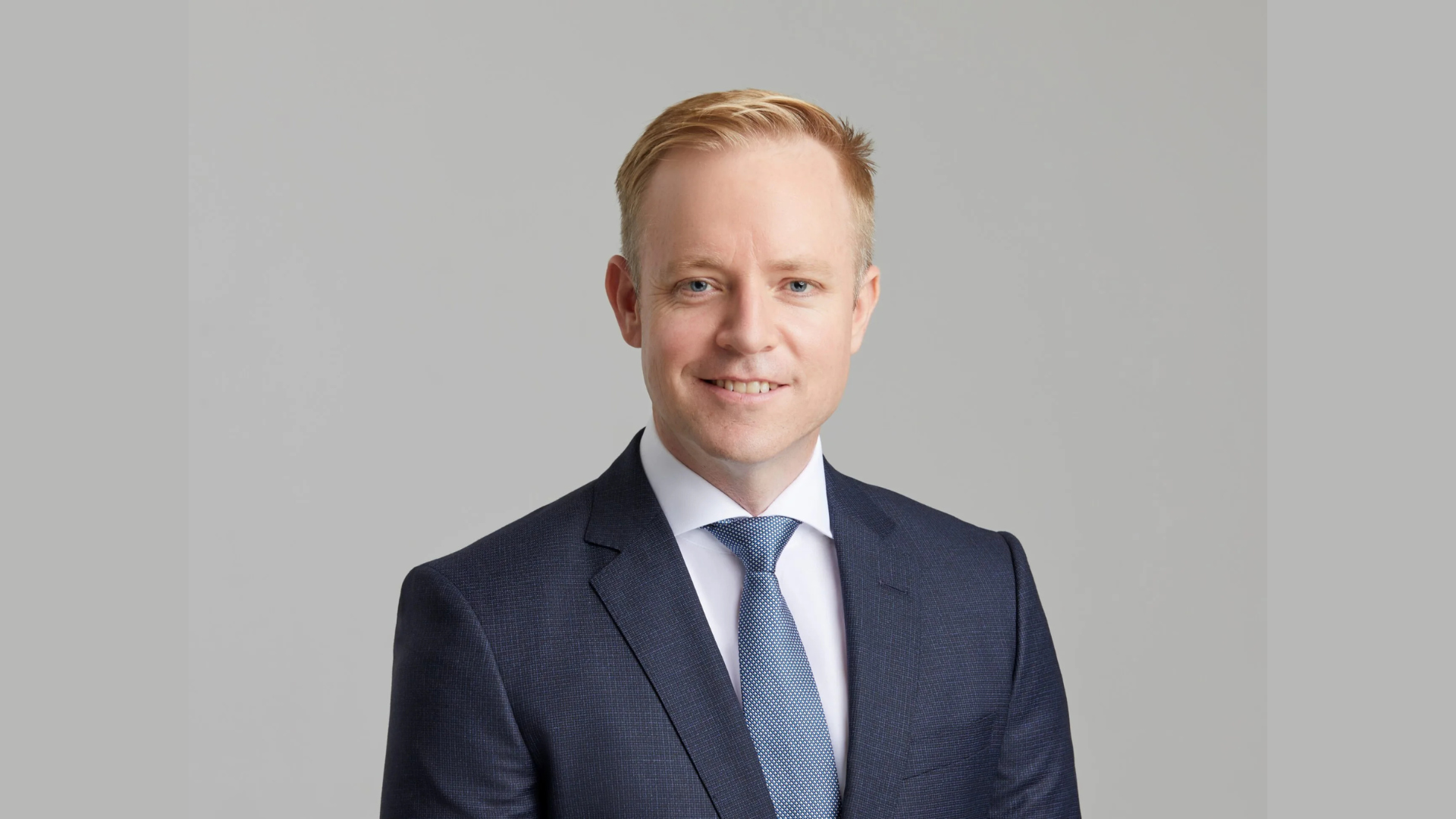
Pilbara Minerals CEO Highlights Opportunities and Challenges in Strengthening Lithium Supply Chains

Australia’s position as a global powerhouse in the production of lithium continues to set the strategic course on mining, and few voices capture this moment as clearly as Dale Henderson, CEO of PLS. In a world accelerating toward electrification—electric vehicles, renewable energy storage, and the unprecedented demand for critical minerals—Henderson has underscored how targeted, well-calibrated government support could make lithium supply chains resilient and globally competitive. He made the comments as governments worldwide are stepping up efforts to secure the minerals vital to clean-energy technologies.
Speaking recently on the state of the sector, Henderson noted that Australia has a unique opportunity to capitalize on surging global demand. Lithium remains a cornerstone mineral for EV batteries, and with the world’s top battery and automotive manufacturers looking for stable supply partners, Australia’s reliability, regulatory safeguards, and resource abundance position it favourably. However, Henderson was clear that while government intervention could help accelerate industry development, it must be implemented with precision and long-term planning.
Henderson’s comments are in line with a wider trend of governments considering incentives to promote local processing and refining capability, where Australia traditionally lags. Currently, a large quantity of Australia’s lithium is exported in raw or semi-processed form, where value addition essentially occurs offshore, mainly in China. Henderson says that targeted incentives, if designed correctly, have the ability to enable Australia to retain value related to processing all the way through precursor materials and even to battery-grade chemicals.
However, he does warn against very aggressive or distortionary policies. Sudden or heavy-handed interventions may ultimately damage industry growth, or inefficiencies and a misalignment of investment cycles could be created. Instead, Henderson calls for reliable, stable mechanisms, such as tax offsets for refining, infrastructure investment, streamlined approvals, or support for downstream partnerships with global battery makers. Such measures, he believes, would fortify the industry while allowing market forces to continue driving operational decisions.
One key point that Henderson pointed out was the cyclical nature of lithium pricing. After reaching historical highs during the COVID-era EV boom, lithium prices corrected when electrification rollout in several markets came in slower than expected. For Henderson, this is further proof that policy must strive for long-term stability, rather than reacting to short-term volatility. The capital-intensive nature of the industry means that investment decisions often span decades, while predictable frameworks are what investors require for confidence.
PLS itself has meanwhile taken steady steps to solidify its place in global supply chains. The company has been increasing its production capacity while strengthening its relationship with major international buyers and looking into opportunities for downstream integration. Henderson strikes a balance between growth and operational discipline so that PLS will remain competitive through the high-price and low-price cycles. Investors and analysts widely consider the approach prudent, especially in a sector marked by global economic shifts and geopolitical sensitivities.
A key talking point in the lithium supply-chain story is the leading position that China holds in refining and battery production. While Australia leads in the extraction of the raw material, China controls an estimated 60–70% of global lithium processing capacity. That brings about a degree of dependency and opportunity. Henderson has suggested that pragmatic collaboration with trusted international partners-including but not limited to markets like South Korea, Japan, and the United States-could help spread supply lines out and reduce over-dependency on any single country. Such diversification is increasingly important as nations pursue industrial security and energy independence.
This has also placed critical minerals in the focus of governments worldwide trying to ensure their supply chains are resilient against political shocks, trade restrictions, or logistical disruptions. Henderson’s call for balanced, long-term government involvement speaks to this emerging landscape where mining companies, policymakers, and international industries will have to work more in concert than ever before.
Looking ahead, Henderson believes Australia can play a central role in shaping the future of clean energy manufacturing—provided it continues to invest in capabilities beyond extraction. Australia’s natural resource endowment gives the nation a foundation that few countries possess, but capturing more economic value will require sustained planning, infrastructure investment, and collaboration between the public and private sectors.
Ultimately, the message from PLS’s chief executive is clear: the lithium opportunity is historic, but success requires nuance. With thoughtful policy, robust partnerships, and a commitment to innovation, Australia can transition from a global lithium supplier into a global lithium powerhouse—underpinning the world’s transition into an electrified future.

