
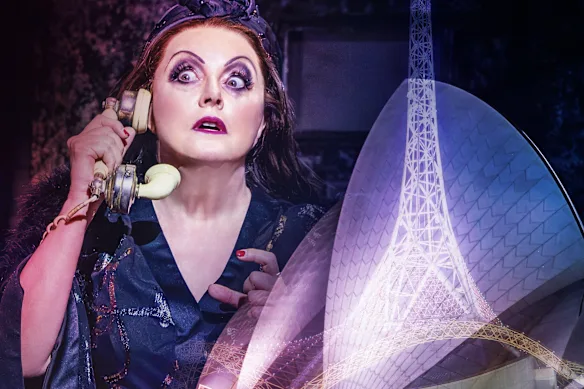

A Proud Institution in Peril
Opera Australia, once the jewel of Australia’s performing arts scene, now finds itself in precarious territory. Declining audiences, financial instability, and an identity crisis threaten the company’s future. As a former CEO of this iconic institution, I’ve watched its recent struggles with a heavy heart — and a growing sense of clarity about where things went wrong.
There is no natural right to exist for a publicly subsidised company like Opera Australia. In a fiercely competitive cultural landscape, relevance must be earned, not assumed. The truth is, Opera Australia is facing an existential reckoning, and unless it finds the courage to ask fundamental questions — about who it serves, what it stands for, and how it connects with modern Australia — its future will remain uncertain.
The Cracks Were There Before the Crisis
Long before COVID-19 decimated live performance, the warning signs were flashing:
- Aging and shrinking audiences
- Rising production costs
- A perception of elitism
- Limited innovation in programming
Rather than confronting these realities head-on, Opera Australia leaned on tradition and prestige. But nostalgia, no matter how beautifully staged, is not a growth strategy. Opera is not dying — but our way of presenting and supporting it may be.
Mission Drift and the Identity Crisis
At its best, Opera Australia was a powerful cultural ambassador, balancing grand classics with bold, locally rooted storytelling. At its worst, it became a risk-averse machine producing endless revivals of familiar fare, failing to connect with new audiences.
The company’s biggest problem today? It doesn’t know who it’s for anymore.
Is it a heritage institution preserving the Western canon?
A populist touring company for commercial blockbusters?
Or a creative laboratory for 21st-century Australian stories?
Trying to be all of these — while pleasing government funders, private donors, loyal subscribers, and younger audiences — has led to a diluted, conflicted identity.
Public Subsidy: A Privilege, Not a Guarantee
Opera Australia receives millions in public funding. This is a precious privilege. But such support comes with a social contract: to serve the broader public good, not just a narrow demographic.
That means more than offering discounted tickets or the occasional outdoor spectacle. It means engagement. It means telling stories that reflect the complexity of modern Australia — its diversity, its tensions, its dreams.
To justify its funding, Opera Australia must be bold. It must take artistic risks, foster local talent, and build genuine relationships with communities that have never stepped into a concert hall.
The Power — and Peril — of Spectacle
One of the company’s great innovations was the outdoor “opera on the harbour” series. Visually stunning and financially lucrative, these events brought new audiences and international attention.
But reliance on spectacle can be a trap. Big doesn’t always mean better. Lavish productions with ticket prices to match may draw crowds once, but they don’t build sustainable relationships. Opera Australia must resist the temptation to chase revenue at the expense of relevance.
The Artistic Vision Must Lead
Any turnaround must start with artistic leadership. This cannot be outsourced to guest directors or dictated by commercial considerations. The Artistic Director must have a clear, courageous vision — one that speaks to the present, not the past.
The best opera companies in the world are those that dare to reinvent. Whether it’s ENO staging operas in car parks or The Met embracing HD cinema broadcasts, innovation is not the enemy of tradition. It’s how tradition survives.
Rebuilding Trust — Internally and Externally
Opera Australia must also rebuild trust — not just with audiences, but with its own artists. In recent years, there have been reports of mismanagement, internal dissent, and uncertainty about artistic direction. A company that does not take care of its people cannot expect them to deliver greatness on stage.
This is not just a branding issue. It’s a leadership issue.
What Can Be Done — A Path Forward
- Redefine the mission: Get clear on what Opera Australia stands for in 2025 — and who it serves.
- Invest in new Australian works: Give composers, librettists, and directors space to create works that speak to modern Australia.
- Make it truly accessible: Go beyond token outreach. Embed opera in schools, regional communities, and digital platforms.
- Fix internal culture: Build a workplace where artists and staff feel supported, heard, and valued.
- Embrace technology: From streaming to augmented reality, bring opera to where people are.
- Be brave: Take creative risks, even if they don’t always succeed. Greatness never comes from playing it safe.
Final Thoughts: Time for a Reckoning, and a Renewal
I write this not to criticise, but to call for renewal. I believe in the transformative power of opera. It can still thrill, challenge, and unite us — but only if it evolves. Opera Australia must have the humility to admit what isn’t working and the courage to try something new.
There is no entitlement to existence. Only a responsibility — to serve, to inspire, and to matter.
If Opera Australia can rise to that challenge, it will not only survive — it will lead.

