
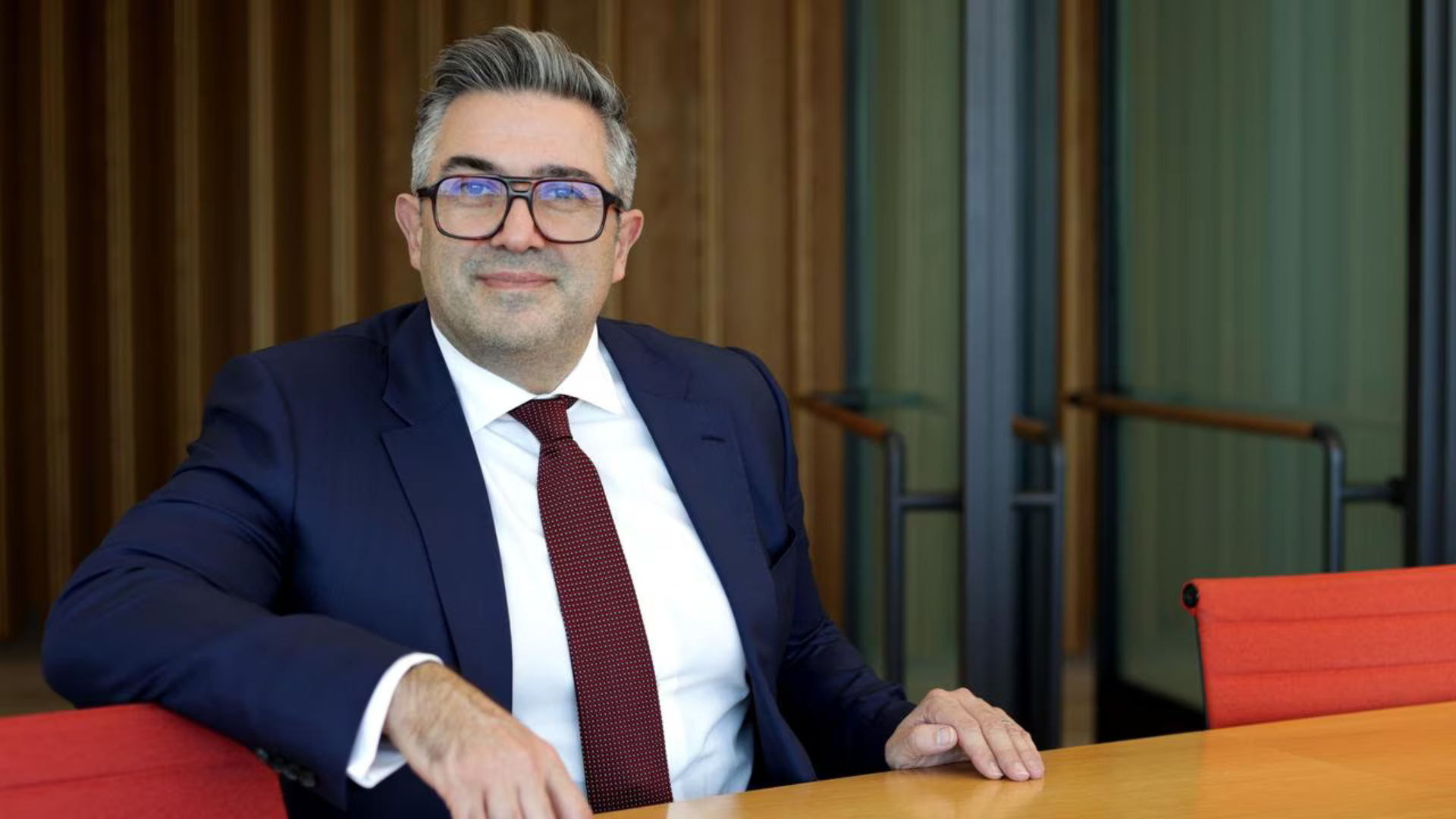
Lendlease Corporation: Navigating Leadership Transition Amid Performance Challenges

Lendlease Corporation Chairman John Gillam has initiated succession planning discussions with its current Chief Executive Officer Tony Lombardo as Australia’s property and infrastructure giant prepares for a critical phase of strategic transformation. The move comes at a time when it is under growing pressure to reverse years of underperformance and win back investor confidence in its global real estate operations.
Founded in 1958, Lendlease long has been one of the most recognizable Australian names in property development; landmark projects include Barangaroo in Sydney and the Elephant & Castle regeneration in London. But in recent years, the company has failed to maintain a growth trajectory amid a challenging economic environment, rising costs, and project delays. The succession talks reflect the board’s intent to firm up leadership accountability and strive for strategic focus as it rebuilds its financial standing.
Leadership Under Scrutiny
Tony Lombardo took up the reins as CEO in 2021 and inherited a business in transition. His tenure has been marked by efforts to streamline operations and exit underperforming segments, particularly in the international property development market. Lombardo attempted to reorient Lendlease toward a more capital-efficient model-one that focuses on investment management and urban regeneration projects rather than traditional construction activities.
Yet, despite these efforts, Lendlease’s financial results have remained unsatisfying. The company has written down hundreds of millions on assets, watched profits decline, and disappointed investors with its returns. The share price has lain flat, reflecting skepticism about the pace and efficacy of Lombardo’s turnaround. For that reason, the John Gillam-chaired board is now turning to consider leadership succession options to ensure fresh energy and perspective on the next phase of the company.
Gillam, who became chairman in 2018, agreed that Lombardo had started a number of much-needed reforms but said there was “a long way to go” before Lendlease can reclaim its mantle as a best-in-class developer offering consistent, sustainable returns. Industry observers believe the company’s leadership transition talks reflect a wider reboot – one that could involve changes in operational setup, international exposures, and even priorities for allocating capital.
Strategic Refocus and Market Context
In Australia, much like for the rest of the world, this industry has been experiencing headwinds from inflation, rate increases, and, overall, softening demand in commercial spaces. Lendlease, with its big portfolio covering Australia, Asia, Europe, and the U.S., is particularly exposed to these macroeconomic shifts.
Lombardo’s game plan is focused on the divestment of low-performing assets and the divestment of non-core international projects. This includes pulling back from U.K. and U.S. developments to really focus the company’s finances into its stronger Australian base. But such changes have been very costly and time-consuming, which hurt earnings and morale.
Furthermore, the worldwide deceleration in real estate has made competition for capital even more fierce. Institutional investors who once favored large Lend Lease mixed-use urban developments now seek leaner models and faster returns. In that light, Lendlease’s board will face the difficult task of balancing long-term vision with near-term performance-and leadership stability will be key to striking that balance.
Investor Sentiment and Governance
Investor confidence in Lendlease has ebbed, with analysts calling for more transparency in reporting and more consistent profitability. While Lombardo’s restructuring has been praised for its ambition, critics say it still isn’t producing measurable shareholder value. Therefore, the prospect of leadership succession is seen by many as a potential catalyst for renewed optimism-provided it’s handled decisively and backed by a clear strategic direction.
Governance experts note that the fact that Lendlease is willing to talk overtly about succession is a sign of maturity and corporate discipline in itself. It speaks volumes that the company would take the lead in initiating succession to ensure a smooth transition rather than an abrupt, market-forces-driven one.
Looking Ahead
As Lendlease navigates this pivotal moment, a number of factors will determine its path forward. A new focus on sustainable development, urban regeneration, and institutional partnerships might reinvigorate its credentials as a pioneer of innovative, community-oriented real estate. Simplification of the business model and further reduction in exposure to volatile international markets could also bolster the balance sheet and investor appeal. Whether Tony Lombardo is here to stay or passes the baton, ultimately the success at Lendlease will depend on execution — strategic clarity being translated into numbers. For now, the company’s evolution in its leadership suggests an acknowledgment that transformation needs to be deeper than cost cuts and divestment. It does call for a cultural and operational reset, underpinned by accountability and a focus on long-term value creation. With global real estate markets slowly recovering, Lendlease is in the spotlight as its leadership recalibration will be put to the test to drive growth anew and confirm its status as a flagship of Australian enterprise.

