
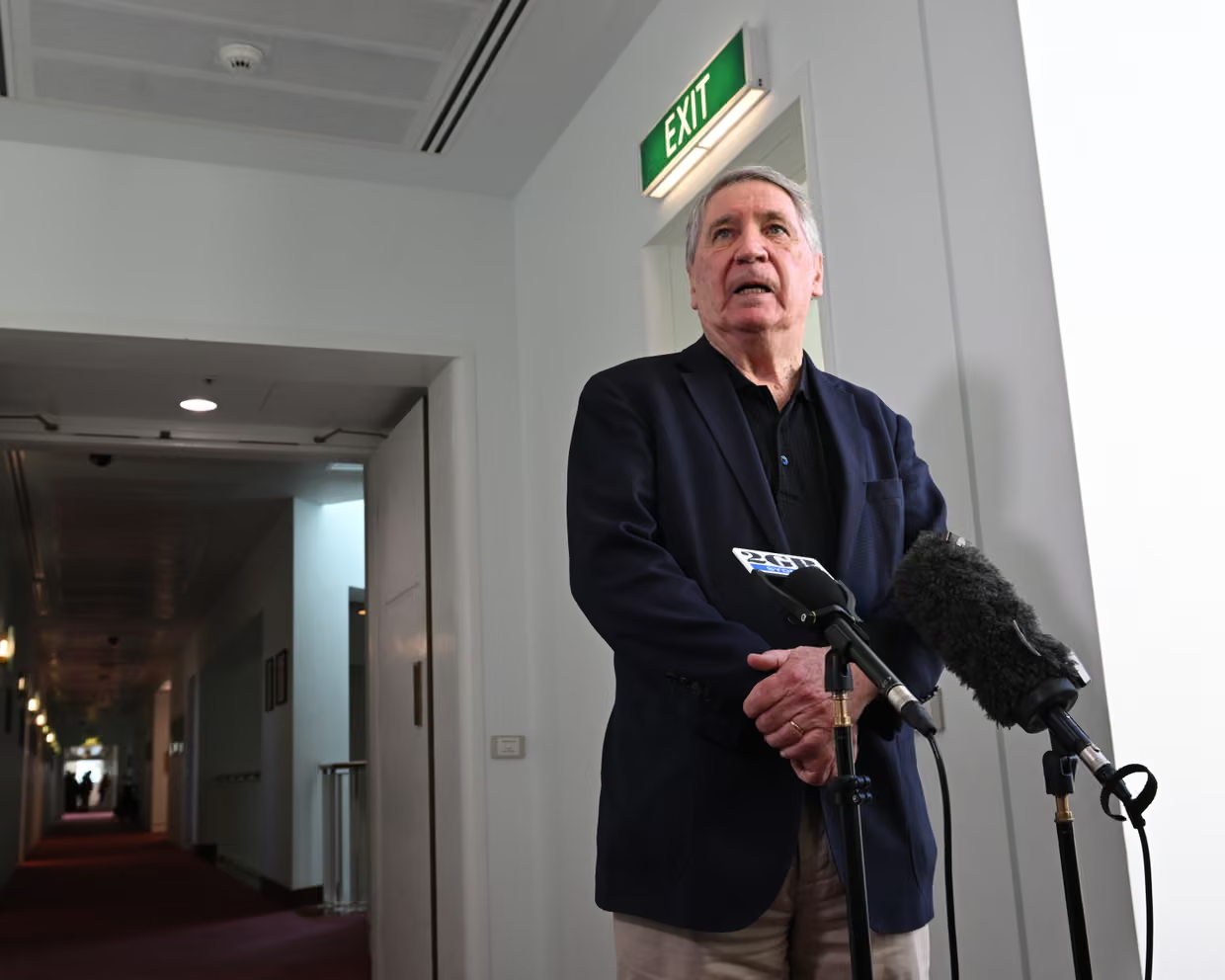

Former Australian spy chief Dennis Richardson has warned that reforms following the Bondi attack should not wait until the final report of the royal commission, emphasizing the need for immediate action.
Richardson resigned from the inquiry into the Bondi attack, citing frustration over delays in implementing recommendations for intelligence agencies. He argued that waiting until December for the commission’s report risks leaving critical security gaps unaddressed.
Concerns About Delays in Intelligence Reforms
The Bondi attack exposed weaknesses in coordination and intelligence sharing among Australia’s security agencies. Richardson highlighted that timely reforms are essential to prevent similar incidents in the future.
He emphasized that recommendations regarding intelligence operations, oversight, and inter-agency communication should be acted upon without waiting for the full royal commission report.
Resignation from the Inquiry
Richardson’s decision to step down from the commission has drawn attention to tensions within the inquiry process. He indicated that procedural delays and bureaucratic hurdles have slowed the implementation of urgent security recommendations.
In a public statement, he stressed that actionable reforms should be prioritized to strengthen Australia’s national security framework immediately.
Key Areas Requiring Immediate Action
Richardson suggested that intelligence agencies should focus on:
- Improved coordination and information-sharing across federal and state agencies
- Strengthening oversight mechanisms to prevent systemic failures
- Addressing operational gaps revealed by the Bondi attack
By implementing changes now, rather than waiting for the commission’s full conclusions, Richardson believes Australia can significantly reduce risks to public safety.
Implications for National Security
The former spy chief’s call for urgency underscores growing concerns that bureaucratic delays could leave intelligence vulnerabilities unaddressed. Experts suggest that rapid implementation of key recommendations could enhance security readiness and prevent further attacks.
Richardson’s resignation adds weight to debates over how quickly intelligence agencies should act on findings from ongoing investigations.
Looking Ahead
The royal commission is still scheduled to release its final report in December, but Richardson’s intervention may pressure the government and intelligence agencies to adopt early reforms.
Observers expect renewed discussions on accelerating policy and operational changes in intelligence oversight, coordination, and crisis response.

