
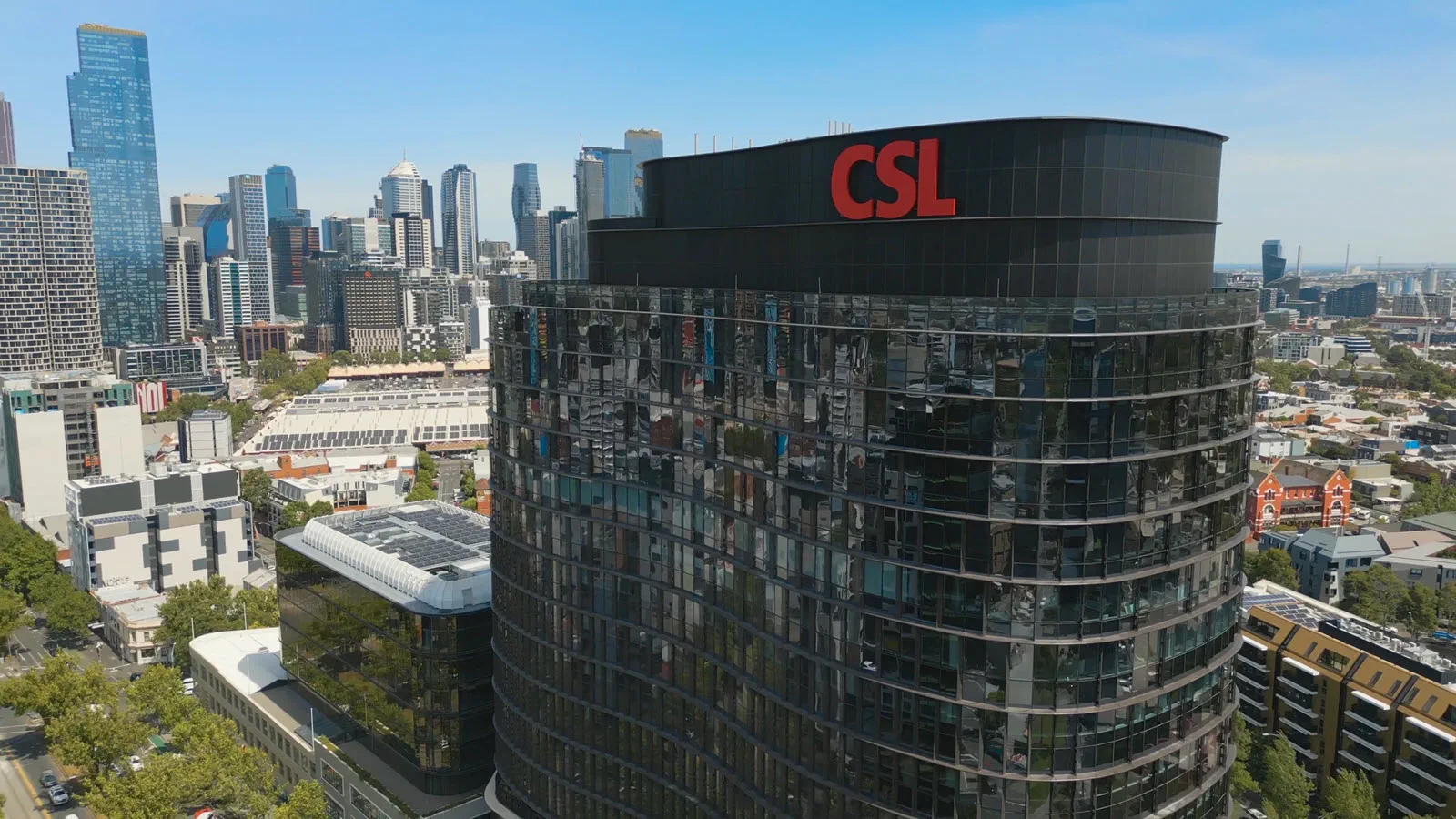

One of the most globally-recognised biotechnology companies in Australia, CSL, has been in the process of reviewing and recalibrating its international expansion strategy amidst rising regulatory scrutiny across some of the key markets. Led by chief executive Paul McKenzie, the company is weighing long-term growth ambitions with the rising tide of demands for compliance in the United States, Europe, and parts of Asia.
Speaking in recent leadership discussions, McKenzie has underlined how even though global demand for plasma-derived therapies and vaccines continues to be strong, the regulatory frameworks in which companies are operating are becoming increasingly complex and burdensome. For CSL-which operates in upwards of 30 countries and secures a significant portion of its revenue from overseas markets-the need to navigate this evolving regulatory environment has become a strategic priority, rather than simply a back-office function.
The United States remains CSL’s single largest and most significant market for the company, especially its plasma therapies business. However, increased regulatory scrutiny of plasma collection centres, higher standards for patient safety, and new price conversations have made this market more challenging. McKenzie said CSL is working closely with regulators to help ensure supply predictability, open and transparent communication, and absolute compliance, while continuing to invest heavily in quality systems and people training.
In Europe, CSL has a different set of challenges: lengthier regulatory approval timelines have pushed back product launches and expansion plans for vaccines and biologics in certain jurisdictions. McKenzie stated that although Europe remained a critical growth region, the company was taking a more staged and measured approach to scaling its operations there. This includes prioritizing high-impact markets and making sure that regulatory readiness is built into product development at an early stage.
The Asia-Pacific region still holds major long-term growth opportunities for CSL, particularly in countries with expanding healthcare access and ageing populations. Asia’s emerging markets, such as China, Japan, and South Korea, have a growing demand for plasma-based treatments and specialty pharmaceuticals. The regulatory environments across Asia are far from uniform, though. CSL modifies its market-entry approach to meet the local compliance requirements and is often actively partnering with domestic stakeholders to accelerate approvals and distribution.
McKenzies endeavored to underscore how regulatory challenges, while demanding, are not an obstacle to CSL’s global ambitions but rather a shaper of how the company invests and grows. CSL continues to invest heavily in the expansion of plasma collection networks, manufacturing facility upgrades, and enhancement of digital compliance systems to support resilience, scalability, and confidence in regulatory compliance across all operating regions.
The company is also emphasizing the role of innovation in reducing regulatory risk. By developing next-generation therapies and enhancing manufacturing efficiencies, CSL seeks to enhance its value proposition for regulators, healthcare providers, and patients alike. According to McKenzie, innovation and compliance go hand-in-hand, especially in highly regulated industries like biotechnology and pharmaceuticals.
From a leadership point of view, McKenzie said that global regulatory complexity has now become a board-level issue. CSL’s senior management and governance teams are increasingly engaged with the corporation in oversight activity related to compliance strategy, risk assessment, and stakeholder engagement alike. This shift reflects a broader trend among global healthcare companies, where regulation plays a central role in shaping growth trajectories.
Yet CSL is undeterred. Demand fundamentals for lifesaving therapies are still sound, and governments everywhere have made healthcare resilience and supply chain security a top agenda. McKenzie said, “CSL is well-set to weather current headwinds and emerge in better shape in coming years because of its disciplined approach to expansion, underpinning strong scientific capabilities, and regulatory engagement.” As CSL adjusts to a more regulated world, the strategy sends a pretty clear message: sustainable growth in biotechnology now depends as much on regulatory excellence as on scientific innovation.