
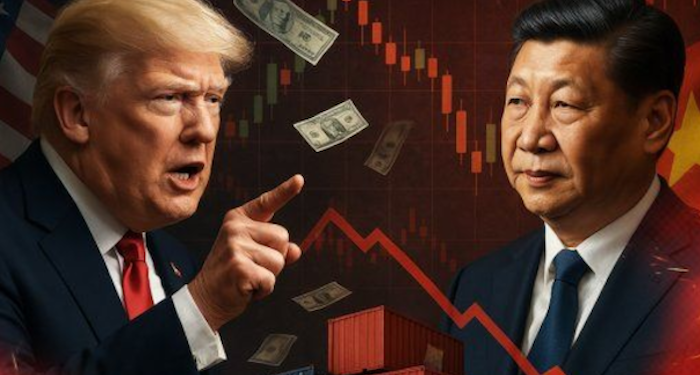
China Hits Back with 125% Tariffs on U.S. Goods as Xi Jinping Warns of Escalating Trade War

In a dramatic escalation of the ongoing trade war between China and the United States, Chinese leader Xi Jinping has made his first public comments, signaling his country’s readiness for continued confrontation. In response to U.S. tariffs, China has raised tariffs on U.S. goods to a staggering 125%. This marks the latest move in a tit-for-tat battle between the world’s two largest economies. Here’s a breakdown of the latest developments and what this means for global trade.
Xi Jinping Speaks Out Amid Rising Tensions
For the first time in the escalating trade war, Chinese President Xi Jinping has spoken out publicly about the intensifying economic conflict between China and the United States. Xi’s message was clear: China is “not afraid” of the trade war with the U.S. His comments come as China announces a dramatic hike in tariffs on U.S. imports, ramping up tensions between the two nations.
Xi’s remarks show China’s resolve in the ongoing trade dispute and reflect the country’s determination to stand firm despite pressure from the U.S. The trade war has seen both nations imposing tariffs on each other’s goods, but the latest moves have significantly raised the stakes.
China’s Bold Move: 125% Tariffs on U.S. Goods
In a clear response to the U.S. raising tariffs on Chinese goods, China has made a major move by increasing tariffs on U.S. imports to 125%. This action follows a pattern of escalating trade measures between the two nations, as each side attempts to leverage economic power in an effort to force the other into submission.
While the U.S. has imposed tariffs of up to 145% on Chinese goods, China’s latest tariff increase puts even more pressure on U.S. exports. The tariffs, targeting a range of U.S. products, will likely have a major impact on industries in both countries.
This is the latest development in what has been a highly contentious and unpredictable trade war that has seen both sides exchange blows in an ongoing cycle of economic retaliation.
China’s Stance: No Intention to Escalate Further
Despite the sharp increase in tariffs, China has signaled that it does not intend to go any higher than the current 125% mark. In an official statement from China’s Commerce Ministry, officials made it clear that they believe further escalation would be meaningless.
“The successive imposition of excessively high tariffs on China by the U.S. has become nothing more than a numbers game, with no real economic significance,” said a spokesperson for the Ministry of Commerce. This suggests that China feels the tariffs imposed by the U.S. have reached a point where they no longer have the desired impact and that pushing tariffs even higher would not be productive.
While the trade war has already had a major economic impact on both countries, this statement shows China’s desire to avoid further damage to its economy while still standing firm in its opposition to the U.S. measures.
Trump’s Tariff Increase: A Precursor to China’s Response
The latest tariff hike from China comes after the U.S. raised its own tariffs on Chinese goods to 145%. President Donald Trump’s administration has been adamant about using tariffs as a tool to pressure China into changing trade practices that the U.S. deems unfair.
Trump’s tariffs have had a significant impact on Chinese businesses and industries, as China relies heavily on exports to the U.S. In retaliation, China has escalated its own tariffs, leading to the current situation where both countries are locked in an economic standoff.
Trump’s tough stance on trade has made him a polarizing figure in global economics, but his position on tariffs has not been swayed by China’s actions. In fact, the increase in tariffs on both sides signals that the trade war shows no signs of de-escalating anytime soon.
Global Impacts: The Ripple Effect of U.S.-China Tariff War
As the world’s two largest economies go head-to-head in a trade war, the ripple effects are felt far beyond just the U.S. and China. The escalating tariffs impact global markets, affecting the price of goods and creating uncertainty for businesses worldwide.
- Supply Chains Disrupted: Many global supply chains rely on Chinese exports and U.S. imports. With tariffs climbing, companies around the world are faced with rising costs and the need to find new suppliers. This disrupts manufacturing, increases costs for consumers, and puts pressure on businesses to adapt quickly.
- Impact on Consumers: While the tariffs are primarily aimed at businesses, consumers are also feeling the pain. As the cost of goods increases due to the tariffs, consumers may face higher prices for everyday items. In the U.S., this could mean higher costs for products like electronics, clothing, and even food. China may also experience similar effects, with rising costs impacting goods that are imported from the U.S.
- International Markets Unsettled: Other countries and regions involved in global trade are closely monitoring the U.S.-China conflict. The uncertainty caused by the trade war could affect international investments, trade partnerships, and overall economic stability. Global markets may see volatility as investors react to the latest developments in the trade war.
China’s Approach: Economic Resilience in the Face of Pressure
Despite the growing tensions and economic strain from the trade war, China has shown resilience in handling the pressure. Xi Jinping’s comments about not being “afraid” of the trade war underline China’s determination to stand firm. The country has continued to grow its domestic economy and seek new trade partners, including expanding ties with Europe, Africa, and parts of Asia.
China has also worked on diversifying its manufacturing and export sectors, reducing its reliance on the U.S. market. By strengthening its own economy and fostering new international trade agreements, China is trying to shield itself from the full impact of the U.S. tariffs.
However, it remains to be seen how long this resilience can last, as the U.S. and China continue to clash over trade policies.
The Path Forward: Can the U.S. and China Find Common Ground?
With both the U.S. and China taking hard stances on tariffs, the path forward remains unclear. Each side has made it clear that they are willing to continue the economic standoff for the long haul, with no immediate resolution in sight.
One potential avenue for de-escalation could come in the form of negotiations. While tariffs continue to rise, there may be opportunities for the U.S. and China to engage in talks that could ease some of the tensions. However, both countries have so far shown little willingness to back down from their respective positions.
Global observers are now asking: can the U.S. and China find common ground, or is this trade war destined to continue, with more tariff hikes and economic consequences in store?
A Trade War with No End in Sight
The tariff battle between the U.S. and China shows no signs of letting up. China’s latest tariff hike to 125% in retaliation to U.S. measures highlights the growing tensions and the difficulty in finding a resolution. With both nations digging in their heels, the global economy could continue to feel the impact of this prolonged trade war for months or even years to come.
As world leaders continue to monitor the situation, the question remains: will there be a breakthrough in the trade war, or will both countries continue their economic standoff for the foreseeable future?