
Australia’s Floods: Larger Than Texas, A Natural Disaster on a Monumental Scale

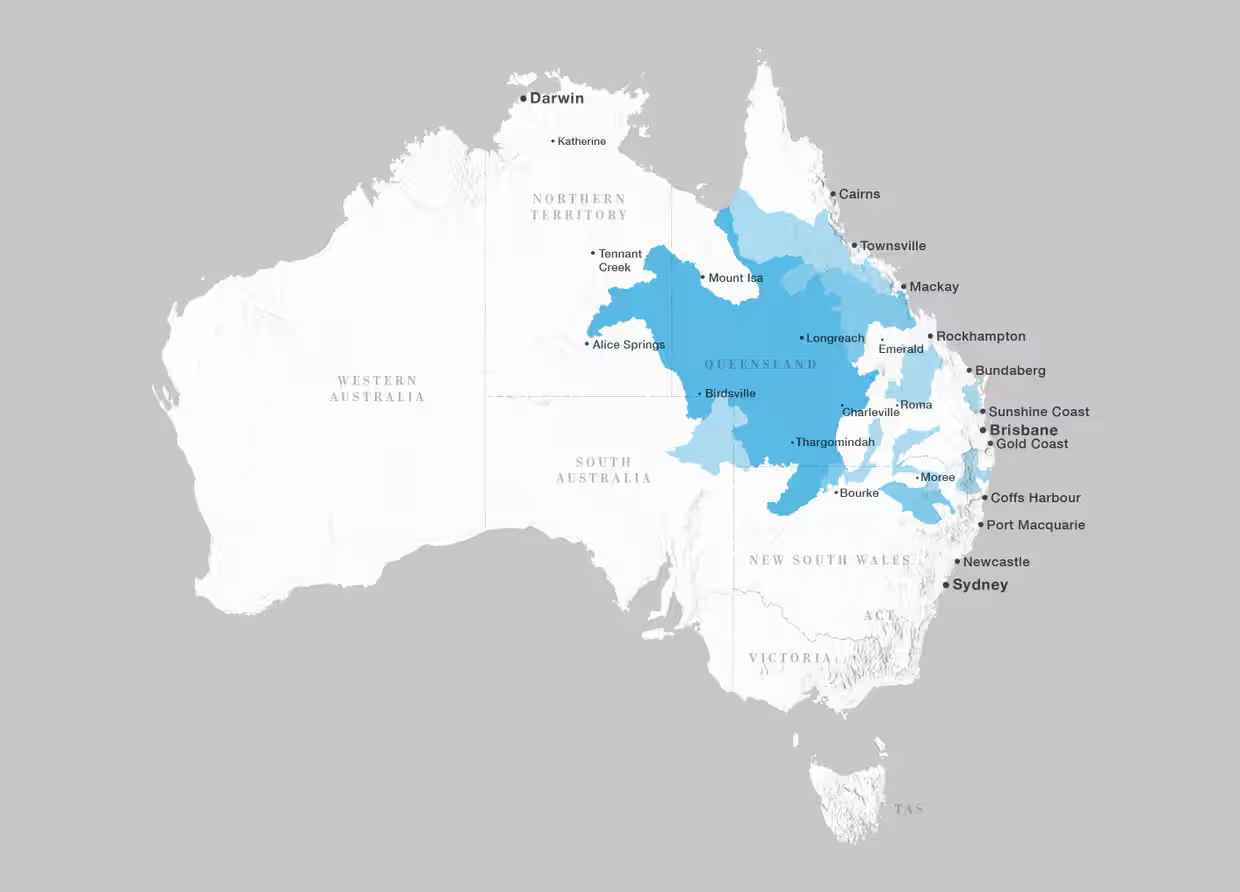
Australia’s devastating floods in Queensland have become a catastrophe of staggering proportions. The floods have stretched across a vast area—an area so massive that it’s hard to wrap your head around it. The disaster is now larger than the state of Texas, bigger than France and Germany combined, and more than four times the size of the United Kingdom. Let’s dive into the shocking scale of the flooding and what it means for Queensland’s residents.
Queensland’s Floods: The Facts and the Size
In March 2025, Queensland’s outback was hit by relentless and torrential rains. The scale of this natural disaster has left many residents stranded, homes abandoned, and communities cut off. As the floodwaters continue to rage, they have spread across an area so large it’s nearly impossible to imagine.
How Big Are the Floods?
Let’s try to put this into perspective. The affected area spans about 1 million square kilometers—that’s an area more than four times the size of the United Kingdom. If you’re trying to visualize that, it’s also larger than France and Germany combined. And yes, it’s even bigger than the entire state of Texas.
What Is the Impact on Queensland?
Vast Floodwaters Across a Remote Landscape
For those unfamiliar with Queensland’s outback, the sheer size and isolation of the land only add to the severity of this disaster. These vast plains are so remote that the floodwaters cover areas that are difficult to reach, leaving entire communities isolated.
Residents in the affected areas have faced intense challenges as rising waters have swallowed roads, bridges, and critical infrastructure. With limited access to help, many are left to fend for themselves as they wait for rescue efforts to reach them.
Severe Damage to Homes and Infrastructure
The floodwaters are wreaking havoc on both homes and infrastructure. Many properties are completely submerged, and in some cases, people have had to abandon their homes in search of higher ground. Thousands of families have been forced to leave their belongings behind as floodwaters continue to rise.
The floods have caused significant damage to crops, livestock, and agricultural businesses. For farmers in central and southwest Queensland, this disaster has wiped out years of hard work and investment, leaving them with nothing to show for their efforts. The financial and emotional toll is unimaginable for those who’ve lost everything.
The Numbers Behind the Disaster
To give you a sense of the scale of the disaster:
- 1 million square kilometers of land have been affected.
- The land area of Tasmania is 15 times smaller at only 64,519 square kilometers.
- The United Kingdom spans 241,930 square kilometers, which means the flooding in Queensland is four times larger.
- Texas, one of the largest U.S. states, covers 695,662 square kilometers, and this flood is still larger than that!
These numbers aren’t just statistics—they are a reminder of the sheer size of the floodwaters and the immense challenge faced by emergency services, residents, and volunteers working tirelessly to contain the damage and provide support.
Why Is This Flooding So Devastating?
Record-Breaking Rainfall
The cause of the floods is simple: weeks of heavy, relentless rainfall. Starting on March 23, 2025, rainstorms began to batter the region. The Bureau of Meteorology reported that the floods had “severely impacted” many catchments across Queensland. Catchments are natural areas that collect rainwater, and when they overflow, the resulting floods can stretch far beyond the original source of the rain.
The rains, though heavy, were not out of the ordinary—but the scale and intensity of the floods were. In some areas, the water levels have reached unprecedented heights, and the usual flood-preparedness systems have been overwhelmed.
Impact on Communities and Daily Life
For those living in the path of the floods, daily life has come to a halt. Thousands of people have been displaced, and many communities are completely cut off from the outside world. Essential supplies are scarce, and transportation has become near-impossible due to submerged roads and destroyed bridges.
But it’s not just the logistics of moving around that’s affected. There is also the emotional toll. Families who have been forced from their homes are now facing an uncertain future. Rebuilding will take time—and the recovery process will stretch long into the coming months and years.
What’s Being Done to Help?
Emergency Relief Efforts
Emergency services, both from within Australia and from international support teams, are working around the clock to help the affected regions. Search and rescue missions are ongoing, as helicopters and boats navigate flooded areas to reach stranded individuals. However, because of the vastness of the flooded land, these operations are complex and slow, requiring careful coordination.
At the same time, the Australian government has pledged to provide emergency financial assistance to flood victims, helping them cover immediate costs like food, temporary housing, and medical care. The military has also been deployed to assist with evacuation efforts and to provide critical aid to the affected areas.
Long-Term Recovery
Beyond the immediate relief, Queensland will face a long road to recovery. Once the floods recede, the state will need to rebuild its infrastructure, restore homes, and help communities get back on their feet. This will involve clearing roads, fixing water systems, and supporting farmers as they recover from crop and livestock losses.
What Does This Mean for the Future?
More Frequent Extreme Weather?
While no one can predict the exact cause of this particular disaster, the increasing frequency of extreme weather events has raised concerns about future floods. Experts suggest that rising global temperatures and changing weather patterns may make such events more common in the future. If this becomes a trend, it could have serious implications for communities living in flood-prone areas.
For now, Queenslanders are focused on recovery, and the state’s resilience in the face of such devastation is a testament to the strength of its people. The outback’s residents are coming together to support one another, proving once again that even in the worst of circumstances, humanity’s will to rebuild is stronger than any flood.
A Devastating Wake-Up Call
The scale of Queensland’s floods is a stark reminder of how vulnerable our communities can be in the face of extreme weather. This event has left many people devastated, but it has also highlighted the importance of disaster preparedness, response, and recovery. As Australia looks to the future, it’s clear that more needs to be done to protect communities from the devastating effects of climate change and to prepare for events of this magnitude.
For those affected, the road ahead will be difficult, but with global support, Queensland will rebuild. The enormity of this natural disaster might be hard to grasp, but the unity and resilience of the people who call Queensland home is even harder to ignore.