
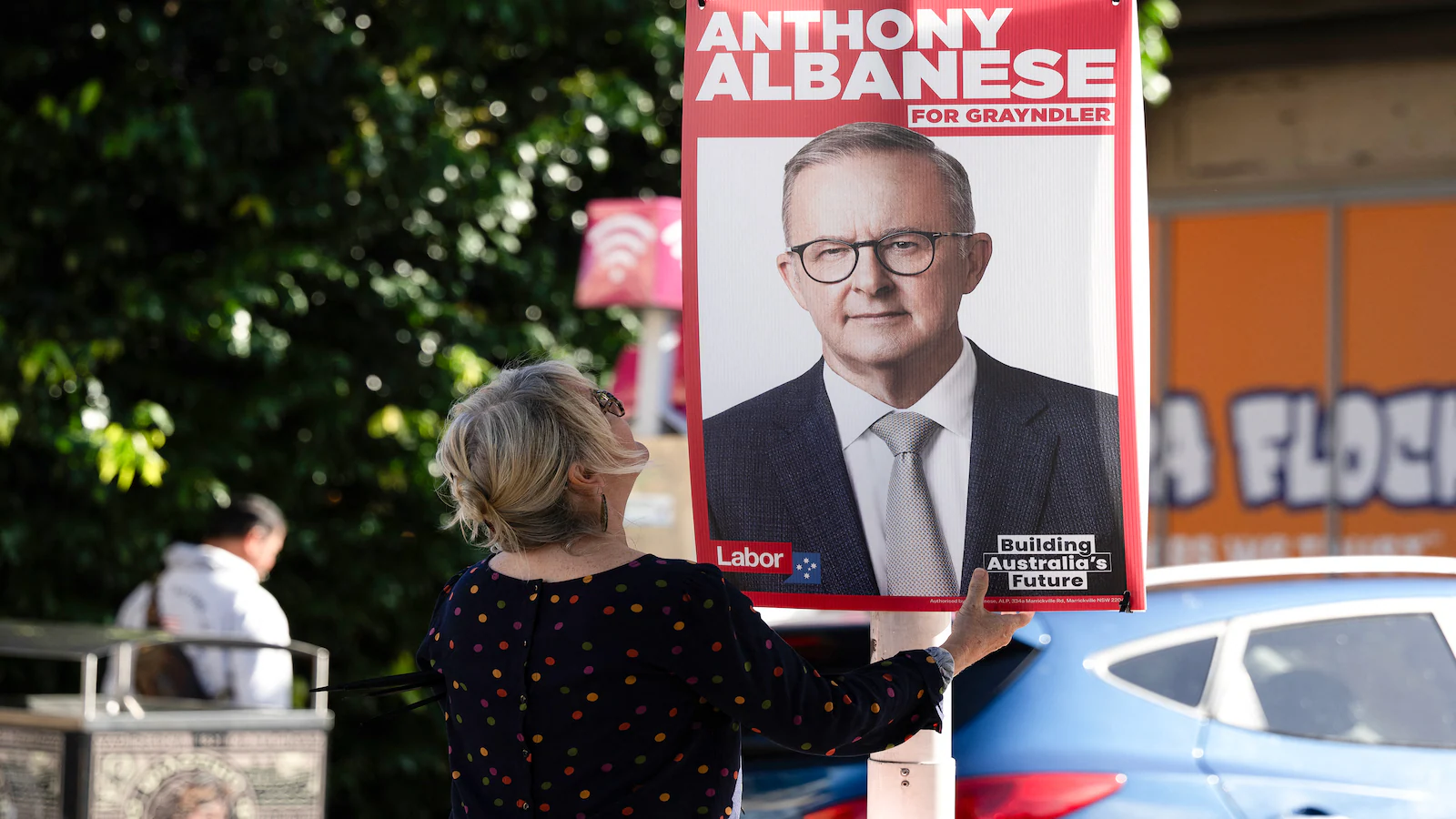
Australia Votes Today: Albanese vs Dutton – Key Issues, Stakes, and Election Mechanics

Australians head to the polls today, May 3, 2025, in a federal election that could redefine the country’s political landscape. Prime Minister Anthony Albanese and his Labor Party are seeking a second term, while opposition leader Peter Dutton leads the Liberal-National Coalition in a bid to reclaim government after one term in opposition. A final Newspoll suggests a narrow lead for Labor at 52.5% to 47.5% on a two-party-preferred basis, but the outcome remains uncertain.
Key Issues at Stake
Cost of Living and Economic Management
Voters remain concerned about rising living costs, housing affordability, and stagnant wages. Labor has focused on expanding access to healthcare, building new homes, and addressing wage growth. The Coalition has promised to rein in immigration, cut government spending, and reduce taxes to help ease inflationary pressure.
National Security and Foreign Policy
Amid increasing global instability, foreign policy has become a significant issue. The return of Donald Trump to the U.S. presidency and potential shifts in global alliances have raised concerns. Labor has left the door open to international peacekeeping participation, while the Coalition has emphasized a stronger stance on defense and national security.
Leadership and Public Trust
Both leaders face personal popularity challenges. Dutton’s approval ratings have slid, while Albanese’s remain under pressure, though he is still considered more in touch with ordinary Australians. Voters under 40 and women tend to favor Labor, while older Australians lean toward the Coalition.
How the Election Works
Australia uses a preferential voting system. In the House of Representatives, voters rank candidates in order of preference. If no candidate receives more than 50% of the primary vote, preferences from other candidates are redistributed until a majority is reached. The Senate uses proportional representation, and the outcome can often result in a diverse crossbench holding the balance of power.
The Stakes
The result could determine the direction of Australia’s economy, climate policy, and international relations for the next three years. While Labor appears to have a narrow edge, the role of independents and minor parties will be crucial in closely contested seats. The possibility of a hung parliament remains, meaning negotiations may follow the vote count.
As polling closes tonight, Australia waits to see which vision for the future voters have chosen.

