
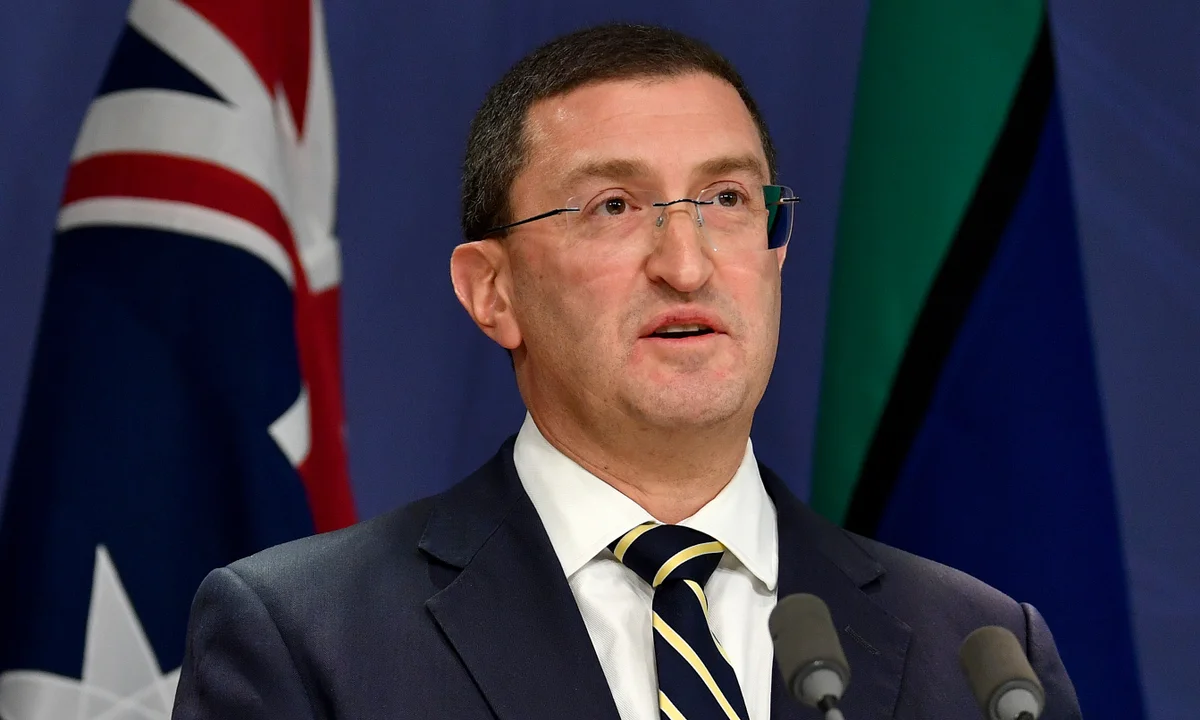
Australia Votes: Pro-Yes Liberal Julian Leeser Says Voice Result Led to Poor Coalition Campaign Choices

A Turning Point in Australian Politics
The recent Australian election has brought many surprising outcomes and fresh perspectives, especially regarding the contentious Voice referendum campaign. Among the voices reflecting on the election aftermath is Julian Leeser, a prominent Liberal MP who supported the Yes campaign for the Indigenous Voice to Parliament. Leeser’s candid assessment sheds light on internal dynamics within the Coalition and offers insight into how campaign strategies may have influenced voter sentiment.
Julian Leeser’s Surprising Reflections on the Coalition Campaign
Julian Leeser, a respected figure within the Liberal Party and an advocate for the Voice to Parliament, expressed his shock over the Coalition’s decision to continue campaigning on the Voice issue after Australians had largely moved past the referendum.
Leeser believes that the Coalition’s focus on the Voice was a strategic misstep that alienated many voters. He argues that Australians, after casting their votes on the Voice, were ready to move on and focus on other pressing issues such as the economy, cost of living, climate change, and healthcare.
By sticking to the Voice as a key campaign topic, Leeser suggests that the Coalition missed the mark in addressing the broader concerns of the electorate. This miscalculation, in his view, contributed to the party’s poor performance and declining voter support in key electorates.
The Voice Referendum and Its Impact on the Election
The Voice to Parliament referendum was a landmark moment for Australia, proposing a constitutionally enshrined advisory body representing Indigenous Australians. While the referendum itself did not pass, it ignited passionate debate nationwide and polarized opinions across political lines.
Leeser’s support for the Yes vote marked him as a moderate voice within the Coalition, standing apart from many colleagues who campaigned aggressively against the Voice. His position reflects a growing faction within the party that recognizes the importance of reconciliation and Indigenous representation in Australia’s governance.
However, the broader Coalition campaign continued to emphasize opposition to the Voice, which Leeser now believes was out of step with the electorate’s mood following the referendum result.
Lessons for the Coalition: Moving Forward Post-Referendum
Leeser’s reflections are part of a larger conversation within the Liberal Party about the need to recalibrate campaign strategies and reconnect with voters.
Many analysts agree that the Coalition’s reluctance to pivot away from the Voice issue cost them crucial support, especially among centrist and younger voters. The electorate’s desire to focus on economic stability, climate action, and social issues was overshadowed by a campaign centered on a single, divisive topic.
Going forward, Leeser advocates for a more balanced approach that addresses voters’ broader concerns while maintaining a respectful dialogue about Indigenous affairs.
The Role of Moderates in Shaping Party Policy
Leeser’s stance exemplifies the role of moderates within the Liberal Party — members who push for more inclusive policies and a willingness to engage constructively with Australia’s Indigenous communities.
These moderates face challenges balancing party unity with evolving social expectations. Their voices are crucial in helping the party adapt to a changing electorate and prevent alienation of key voter segments.
Voter Sentiment: What Australians Really Want
The election results and subsequent analysis indicate that many Australians are eager to move beyond the Voice debate and focus on practical issues affecting daily life. Rising living costs, housing affordability, climate resilience, healthcare access, and national security topped voters’ lists of priorities.
Julian Leeser’s critique aligns with this sentiment, suggesting that successful campaigns must resonate with what voters care about most — not just ideological battles.
What This Means for Australia’s Political Landscape
The election and its aftermath highlight a broader shift in Australian politics. Voters are increasingly demanding nuanced, forward-looking leadership that balances social progress with pragmatic governance.
Political parties that fail to adapt risk losing relevance and trust. The Liberal Party’s internal debates, including Leeser’s perspective, reflect an ongoing struggle to find this balance.
A Call for Reflection and Renewal
Julian Leeser’s reflections offer a valuable lesson for the Coalition and Australian politics at large. Campaigns must listen carefully to the electorate’s evolving priorities and avoid fixating on issues that no longer resonate.
As Australia moves forward, embracing honest dialogue, inclusivity, and a focus on tangible concerns will be key to rebuilding trust and securing electoral success.
Leeser’s voice — advocating for reconciliation alongside broader voter engagement — may well guide the Liberal Party’s path towards renewal in a rapidly changing political landscape.

