
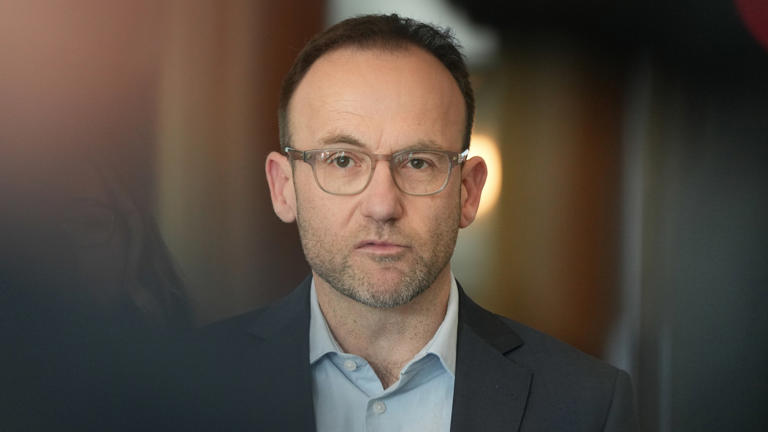
Adam Bandt Calls for Formal Power-Sharing Deal with Anthony Albanese in Case of Minority Government

With the next federal election on the horizon, Greens leader Adam Bandt has made it clear that his party will be seeking a formal power-sharing deal with Prime Minister Anthony Albanese if Labor falls short of a majority. Bandt’s comments suggest the Greens are aiming to lock in a “stable and progressive” agreement to ensure key reforms are passed, particularly around important issues like housing, rental markets, and healthcare.
Let’s dive into what this proposed deal could mean and how it could reshape Australian politics.
What Adam Bandt is Proposing: A Power-Sharing Deal
Adam Bandt wants to avoid uncertainty and confusion in the next parliament, especially if a hung parliament occurs, which could make it difficult for any one party to govern alone. In that scenario, Bandt is pushing for an agreement that would outline clear priorities for the next government, including urgent reforms in healthcare and housing.
“I think working that out in advance… would make a lot of sense,” Bandt said in a recent interview. He added that such an agreement could provide much-needed clarity for the public, knowing exactly what the next three years would look like under a minority government. This would be particularly important for pressing issues such as rising rental prices, affordable housing, and free GP visits.
A Shift in Approach: The Greens Move Towards Pragmatism
Bandt’s call for a formal deal marks a major shift in the Greens’ approach to politics. In the past, the Greens were often seen as the opposition party, fiercely holding the government to account without always offering support. However, after recent electoral losses in states like Queensland and the ACT, the Greens have recognized the need to be more pragmatic in their approach.
Recent weeks have seen the Greens work more closely with the Albanese government, agreeing to pass over 40 bills, though not without negotiating terms. In return for their support, the Greens have secured funding for household electrification and pushed for restrictions on the use of money for fossil fuel projects under the “Future Made in Australia” initiative.
“Where there is goodwill, we can compromise and get good outcomes,” Bandt explained. This is a noticeable shift from the party’s earlier stance, where they were seen as a more obstructive force in Parliament.
Lessons from the Past: A Model for the Future
Bandt has pointed to the 2009 agreement between former Greens leader Bob Brown and then-Prime Minister Julia Gillard as a template for future power-sharing arrangements. That deal helped secure important reforms, like Medicare-funded dental care for children. According to Bandt, any future agreement with Labor should aim to achieve similar substantial reforms that benefit the Australian public.
By pointing to this successful agreement, Bandt is signaling that the Greens are open to working with Labor, but only if they can secure significant concessions on issues that matter to their supporters—like healthcare, affordable housing, and climate change action.
Key Areas of Focus: What the Greens Want from Labor
If the Greens are going to enter into a formal power-sharing agreement, Bandt has been clear about the priorities he wants to see addressed:
1. Medicare and Healthcare Reforms
One of Bandt’s top priorities is Medicare coverage for adult dental care and mental health services. With healthcare costs rising, Bandt believes these reforms are necessary to ensure all Australians have access to affordable care.
2. Free Access to GPs
The Greens are also calling for free visits to GPs, which Bandt sees as a key part of ensuring universal healthcare for all Australians. This is in line with the party’s commitment to improving public health services across the country.
3. Action on Soaring Rents
With rents sky-rocketing across major Australian cities, Bandt is calling for government action to address the rental crisis. He has pushed for stronger protections for renters and policies aimed at controlling rent prices to make housing more affordable for ordinary Australians.
4. Climate Change and the Environment
As a long-time advocate for climate action, Bandt will continue to push for stronger measures to tackle climate change and protect the environment. He believes that in a minority government, there will be a real opportunity to deliver tangible outcomes in areas like clean energy and reducing emissions.
What Would a Deal Mean for the Next Election?
As Australia heads toward the next election, there are growing concerns that Labor may struggle to win a majority outright. With polls suggesting the possibility of a hung parliament, Bandt’s proposal could be the key to ensuring the country has a stable, effective government.
For the Greens, entering into a formal deal would offer them a chance to directly shape policy and ensure that their priorities are taken seriously. Bandt has made it clear that while the Greens are open to compromise, they will push hard to ensure their key areas of concern are addressed.
As the election looms, the Greens are making it clear that they will hold Labor accountable for addressing issues like health, housing, and climate change. In doing so, they aim to become a key player in shaping the direction of Australian politics in the coming years.
What’s Next for the Greens and Labor?
If Labor and the Greens do enter into a power-sharing deal, it could signal a new era of collaboration between the two parties. While the Greens may not always agree with every aspect of Labor’s agenda, Bandt has shown a willingness to work with them to achieve real outcomes on key issues. The next few months will be crucial in determining whether these two parties can find common ground and set a roadmap for the future.
Final Thoughts
As Bandt and the Greens push for a formal agreement with Labor, the upcoming election and the possibility of a hung parliament have the potential to reshape the political landscape in Australia. If a deal is struck, it could lead to important reforms in areas like healthcare, housing, and climate action—all of which are critical to improving the lives of ordinary Australians.
With Bandt’s pragmatic approach and the Greens’ new willingness to negotiate, the next few years could be a defining period for Australian politics. The question remains: will Labor and the Greens be able to agree on the reforms needed to create a fairer, more progressive society?