
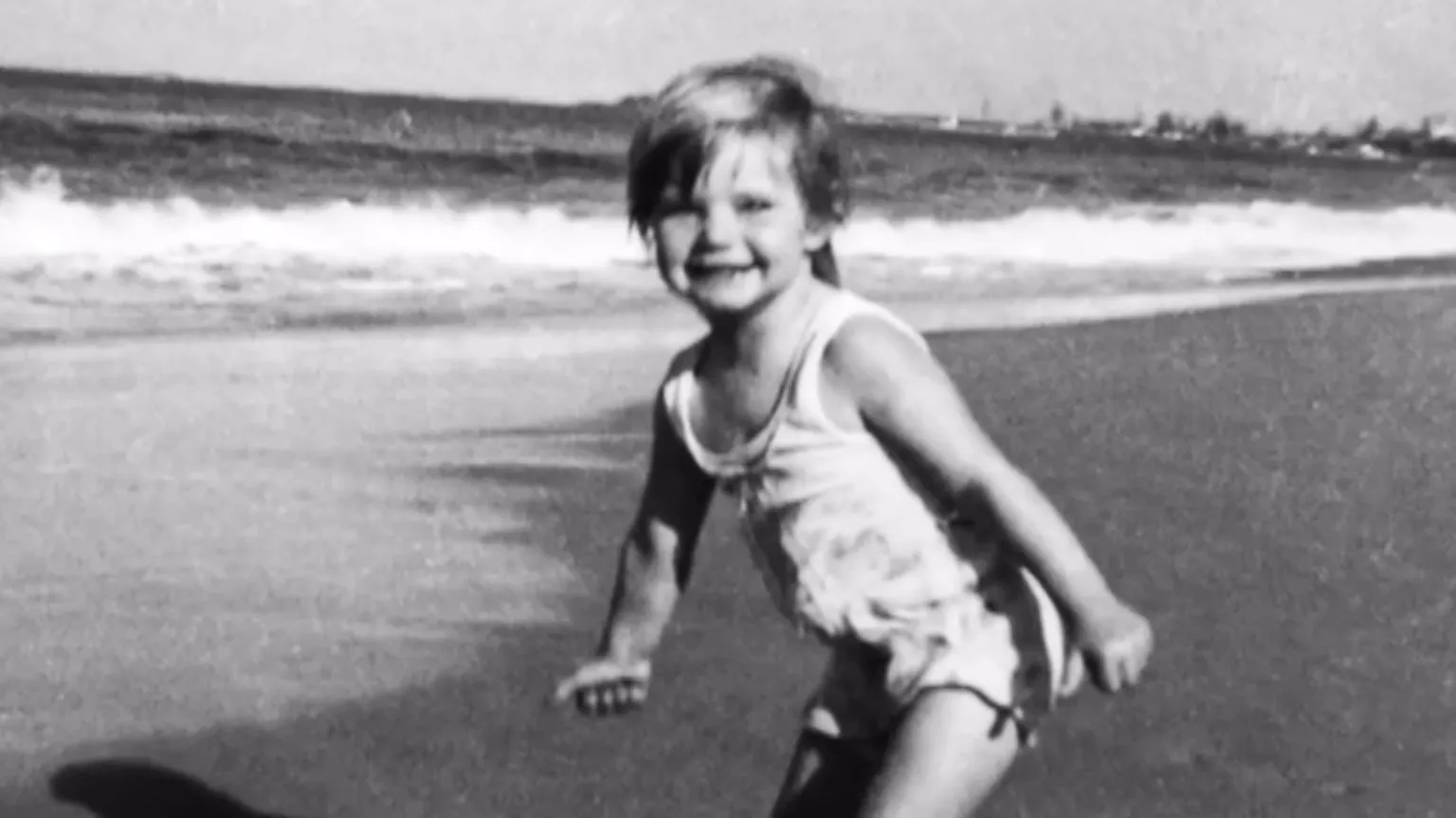
Australian Prosecutors Consider Reopening British Girl’s Cold Case Disappearance

Australian prosecutors are considering whether to reopen the decades-old disappearance of a British schoolgirl whose case has remained one of the country’s most haunting mysteries.
The move has renewed hope for answers in a case that has long troubled both Australian and British authorities, as well as the missing girl’s family.
A Case That Has Endured for Decades
The disappearance of Joanne Ratcliffe has remained unsolved for more than 50 years. Joanne, 11, vanished in 1973 alongside her friend Kirste Gordon from a major sporting event in Adelaide, South Australia.
The two girls were last seen at a football match at Adelaide Oval. Witnesses later reported seeing them in the company of an unidentified man.
Despite extensive searches and investigations over the years, no one has been charged and the girls have never been found.
The case has become one of Australia’s most notorious child disappearance mysteries.
Why Prosecutors Are Reviewing the Case
Authorities in South Australia are now examining whether fresh evidence or new legal avenues could justify reopening the case formally.
Cold cases are sometimes revisited when:
- New forensic techniques become available
- Witnesses come forward with new information
- Previously sealed or overlooked evidence is reassessed
- Legal standards shift, allowing renewed prosecution
Advancements in DNA technology and digital evidence analysis have led to breakthroughs in other historic cases, giving families renewed hope that time does not always erase the possibility of justice.
Prosecutors are understood to be assessing whether the available evidence meets the threshold required to pursue charges.
Lingering Questions
The disappearance raised troubling questions from the beginning.
How could two children vanish from a crowded public venue?
Who was the man reportedly seen with them?
Why has no trace ever been found?
Over the years, numerous theories have emerged, but none have led to a definitive outcome.
The case has remained open, but without sufficient evidence to proceed to trial.
The Impact on Families
For families of missing children, cold cases are uniquely painful. There is no closure — only uncertainty.
Reopening a case, even for review, can be emotionally difficult. It brings renewed public attention and scrutiny. But it can also reignite hope.
In long-running investigations, persistence matters. Many cold cases around the world have been solved decades later, sometimes through a single new lead or technological breakthrough.
Advances in Cold Case Investigations
Law enforcement agencies globally are increasingly using:
- Advanced DNA profiling
- Genealogical database searches
- Improved forensic reconstruction techniques
- Digitisation of historical records
Such tools have helped solve crimes once thought impossible to crack.
If prosecutors determine that new evidence is strong enough, the case could move forward in court — even after decades.
What Happens Next?
At this stage, prosecutors are reviewing available material to determine whether legal proceedings could be viable.
That decision will depend on:
- The strength and reliability of evidence
- The likelihood of securing a conviction
- The public interest in pursuing prosecution
Until a formal decision is announced, the case remains under review.
For now, the possible reopening signals that authorities have not given up.
More than 50 years on, the disappearance of two young girls continues to cast a long shadow. Whether new action will finally deliver answers remains to be seen — but the review marks a significant development in a case that has long demanded resolution.