
Birdsville Hits Record Heat on Boxing Day: Australia Braces for More Scorching Temperatures

Birdsville Smashes Heat Record: 47.2°C in the Outback
On Boxing Day, the small outback town of Birdsville, located in Queensland’s remote outback, became the hottest place in Australia. The mercury soared to a blistering 47.2°C by mid-afternoon, marking a new temperature record for December 2024 and leaving locals once again adjusting to the sweltering heat.
While temperatures across other regions of Australia, including the Northern Territory, Western Australia, and parts of South Australia and New South Wales, also soared into the mid-40s, Birdsville took the top spot, with the Bureau of Meteorology confirming it as the hottest spot in the country on that day.
Why Birdsville Is So Hot
Birdsville, with a population of just 110 according to the 2021 census, has become known for its extreme temperatures. Situated in outback Queensland, it lies on the border with both South Australia and the Northern Territory, where desert conditions rule.
The town’s average December temperatures typically hover around the mid to high 30s°C, but climate change has been pushing those numbers higher year after year. According to Bureau of Meteorology senior meteorologist Dean Narramore, temperatures in the area have been consistently hitting 6 to 10 degrees above average.
On Boxing Day, the 47.2°C mark was not only the hottest in the country that day but also the highest temperature recorded in Australia for December 2024. But it wasn’t even a rare occurrence for the people of Birdsville.
Locals Used to the Heat: Staying Cool in 47°C Weather
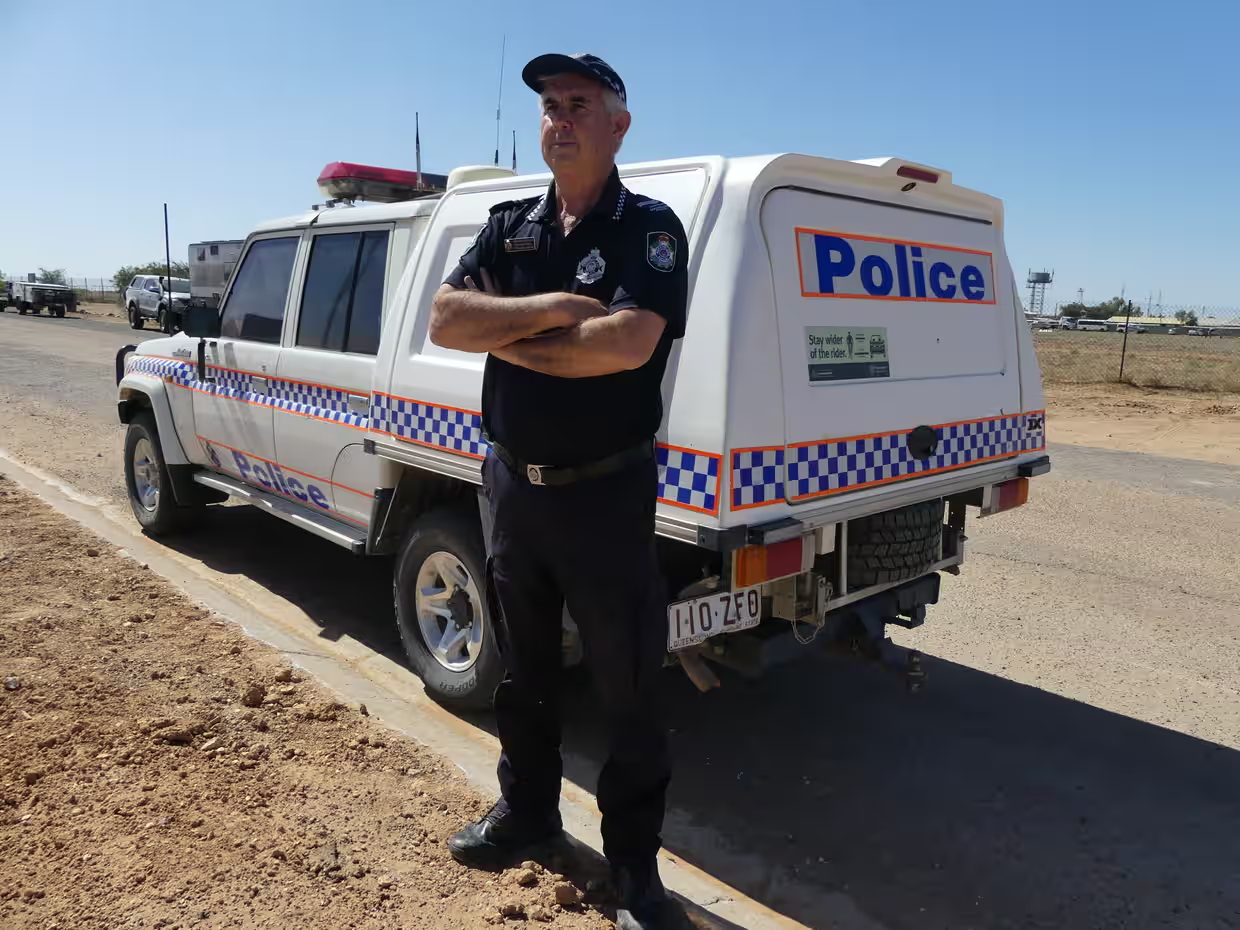
While the extreme heat might sound unbearable to most, locals in Birdsville have mastered the art of staying cool. For senior constable Stephan Pursell, who’s been with the Birdsville police station for several years, high temperatures above 45°C are par for the course during the summer months.
“The temperatures are just part of life here. We’ve had 49.4°C earlier this year, just shy of our all-time record of 49.5°C set in 1972,” Pursell said. With the town’s small population and isolated location, residents are used to these extreme weather conditions.
When temperatures hit these highs, people often retreat to their air-conditioned homes to stay cool, spending their days indoors until evening when the temperature begins to drop. “Everybody gets their air conditioners pumping along and just stays inside and comfortable,” Pursell explained.
A Quiet Boxing Day in Birdsville
On Boxing Day, many of the 110 residents were away visiting family for the holidays, leaving only around 20 to 30 people in town. Pursell noted that those who stayed behind were likely to relax after Christmas celebrations, despite the heatwave.
“The town was quieter than usual, partly due to a Telstra outage that disrupted communication. But after the peak of the heat, people usually head down to the local billabong, or as we call it, the ‘local beach’, at Pelican Point to cool off,” he added.
Australia Faces Hotter Days Ahead
While Birdsville was undoubtedly the hottest spot on Boxing Day, the rest of Australia has also been enduring rising temperatures. As Dean Narramore from the Bureau of Meteorology explained, these extreme conditions are a growing trend that’s being driven by climate change. Average temperatures across Australia have already risen by about 1.5°C since 1910, resulting in longer heatwaves, more intense summers, and increased numbers of extremely hot days.
Narramore noted that Thursday’s heatwave was 6 to 10 degrees higher than usual. The ongoing trend is expected to continue as climate change accelerates the warming of the planet, particularly in regions like Birdsville, where desert conditions make the heat even more intense.
Preparing for More Scorching Temperatures Before New Year’s Eve
With the New Year just around the corner, temperatures across Australia are likely to continue their upward climb. While locals in towns like Birdsville are well-prepared for the heat, those in cities and coastal areas might find themselves struggling to keep cool as well.
As temperatures continue to break records, Australian residents may face more frequent heatwaves and scorching summer days that challenge daily life and personal comfort.
The Bureau of Meteorology is predicting that Birdsville and other parts of the outback will continue to experience extreme heat, with maximum temperatures potentially breaking records again as the year comes to an end.
Climate Change and Extreme Weather: A Growing Concern
This year’s extreme heat is a vivid reminder of the ongoing effects of climate change. Not just in places like Birdsville, but across the entire globe, average temperatures are climbing, and extreme weather events are becoming more frequent and intense.
Australia is no stranger to heatwaves and droughts, but the added intensity and duration of these events have raised concerns for both public health and the environment. As climate change accelerates, it will likely lead to more challenges for towns like Birdsville, where the landscape is already harsh, and residents must constantly adapt to the harsh weather conditions.
A Community Resilient to the Heat
Despite the rising temperatures and the mounting challenges, Birdsville continues to be a community where resilience is a way of life. Residents know the importance of staying cool, whether through air-conditioning, staying hydrated, or enjoying a dip in the local billabong.
For Birdsville locals, the high temperatures may seem like just another day in the outback, but for the rest of Australia, it’s a reminder of just how much climate change is altering the way we experience extreme weather.